I’ve loved the paintings of Vincent van Gogh ever since I learned to love art, which was many decades ago. If you’re also someone who loves art, you’ll understand when I say that Van Gogh’s paintings speak to me on a deeply personal and emotional level.
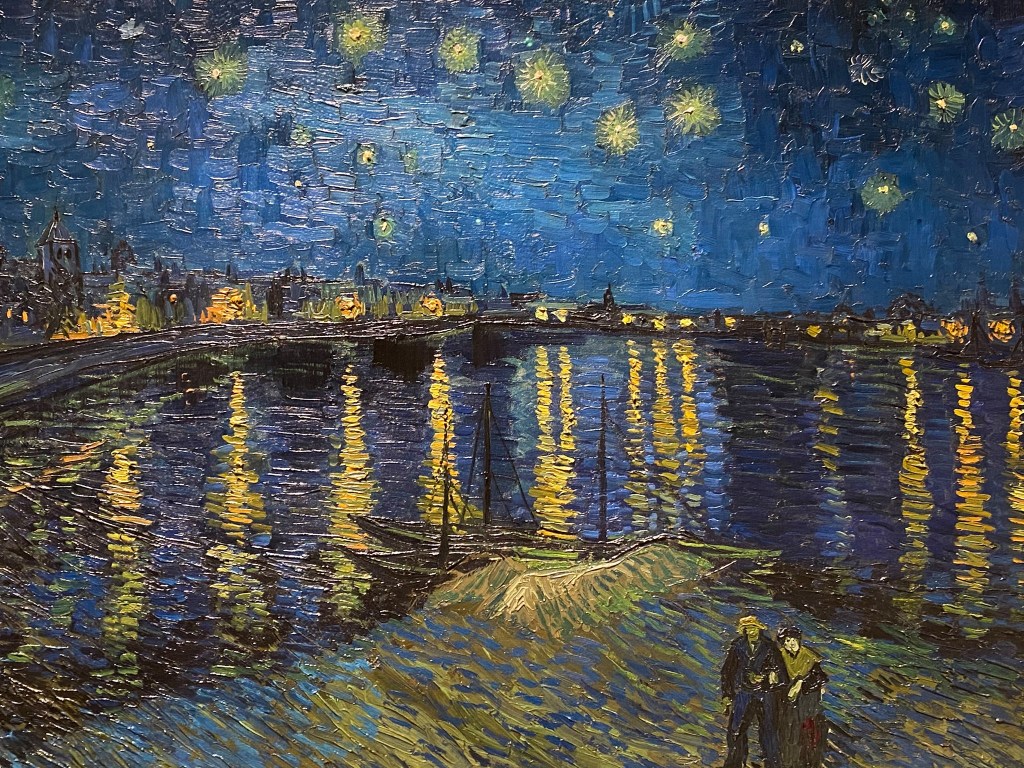
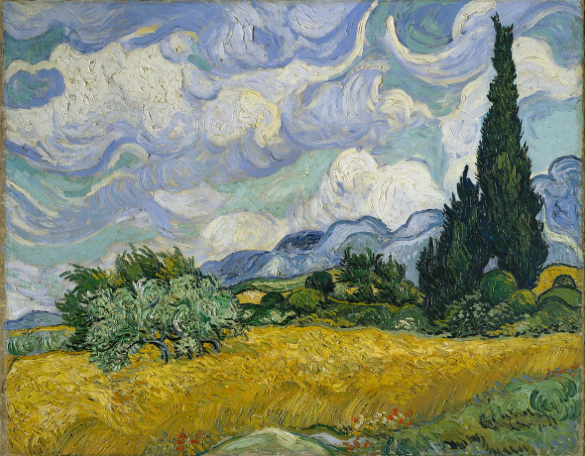
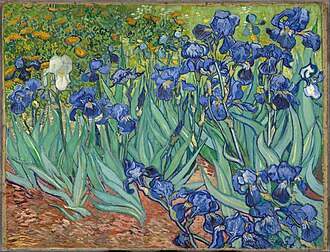
For most of the past few months, I’ve been on a long, meandering journey with Vincent (I’ll call him Vincent here, as he usually identified himself, since his last name was difficult for those outside of the Netherlands to pronounce). My journey began with a jigsaw puzzle: this one, actually. I’ve put together several Van Gogh puzzles before, but this particular puzzle was 1500 pieces, and it took me a little longer than usual.
At the same time I was working on the puzzle, I was also reading a book that had been on my radar for years: Lust for Life, by Irving Stone. This 1934 book is the biographical novel that made Stone a famous writer for much of the 20th century. For a novel, the book is remarkably accurate; Stone talks about this in an Author’s Note, including the very few things that he made up versus what was verifiably true. Because he wrote the book only about 40 years after Vincent died in 1890 at the age of 37, Stone was able to interview people who actually knew the artist in real life.
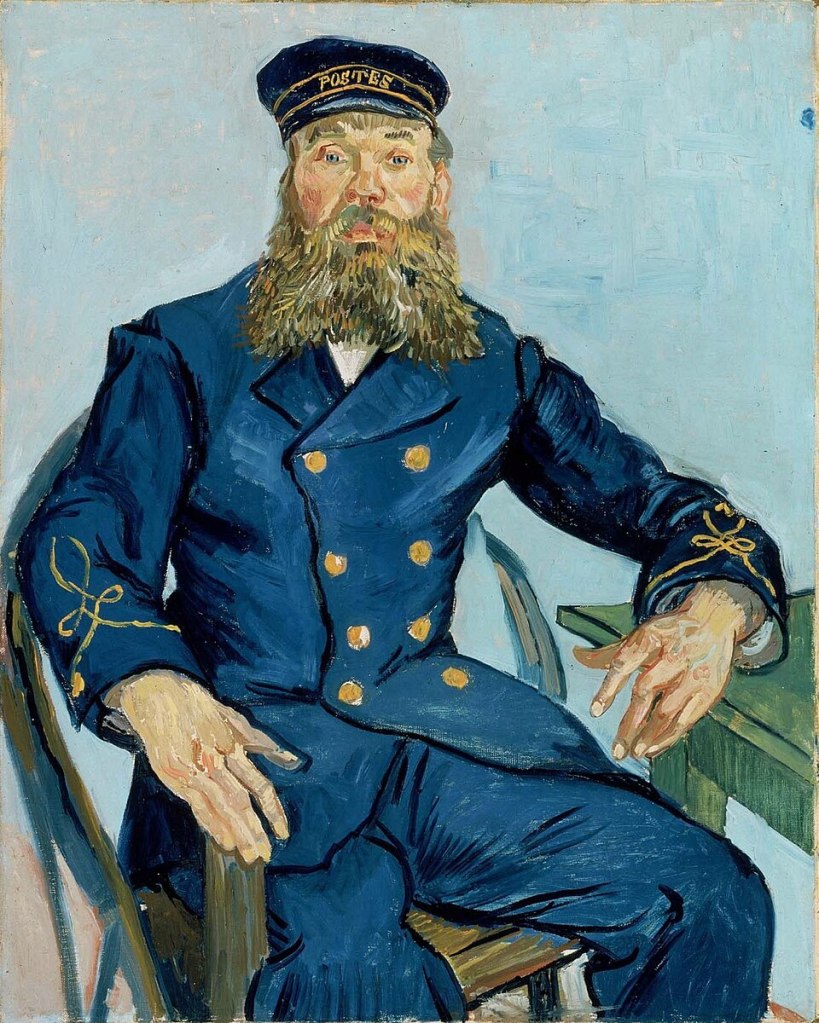
Lust for Life was made into a movie in 1956. Kirk Douglas plays Vincent, and the casting, script, settings, and frequent visual references to places, people, and paintings feel a bit like a treasure hunt as you watch. A certain outdoor café, the boxy yellow house where he lived for a time, the perfect casting of Anthony Quinn as Paul Gauguin (for which he won an Academy Award), the postman, the girl playing piano, the pool table, the doctor’s distinctive pose while resting at the table, the field where he painted the blackbirds near the end of his life—you may recognize some of these from memory. You could also spend some time with a book of Vincent’s paintings (like this one or this one) or do a Van Gogh image search online before diving into either a biography or a movie of his life.
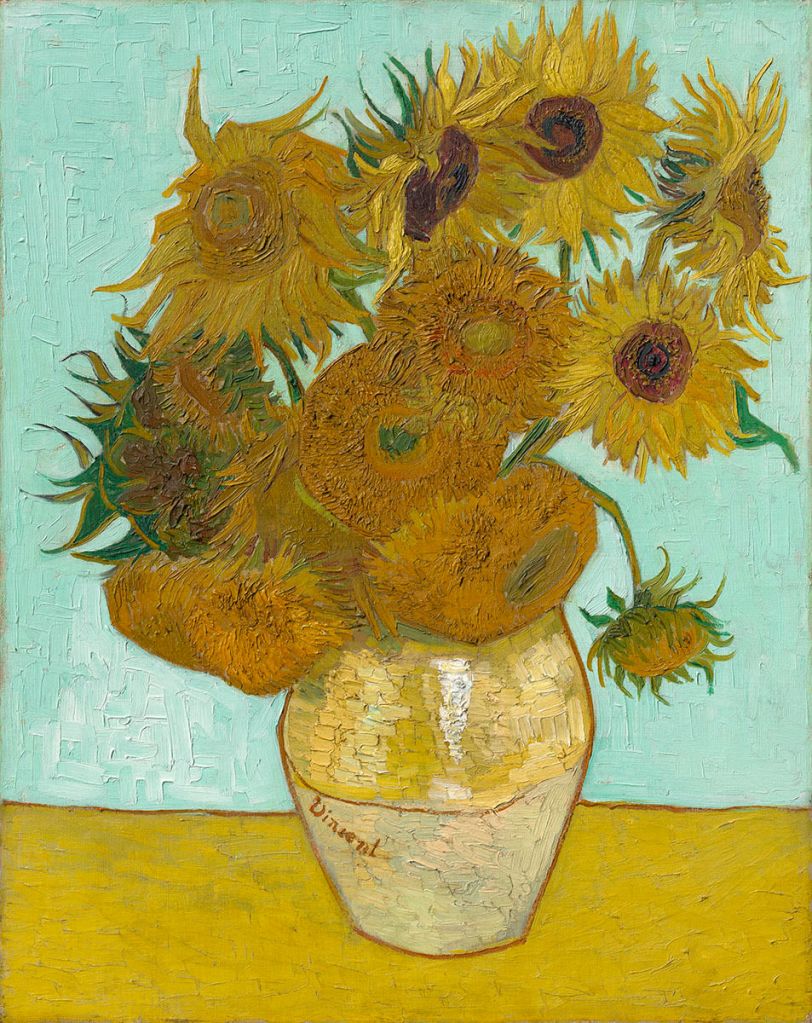
Now, there’s another movie, Vincent and Theo, which I do not recommend, unless you’re a big fan of director Robert Altman. Which I am not. The only thing I liked about this 1990 movie was the opening scene, which shows actual footage of the 1987 Christie’s London auction where Vincent’s Vase with Fifteen Sunflowers sold for a record-breaking $39.9 million. That auction scene then moves to Vincent living in squalor, declaring to his disapproving and disbelieving brother that he is going to be a painter, and you can still hear the auctioneer faintly in the background, the bids rapidly rising and rising. It’s a brilliant cinematic transition that’s incredibly incongruous to watch and hear, and almost too much irony for the heart to bear.
You probably know why that scene is ironic and heartbreaking: Vincent sold exactly one painting, out of the nearly 900 he painted, in his entire life. Certainly his vocational failure as a painter played a huge part in his acute mental distress and feelings of rejection and disappointment from almost everyone he knew. Vincent’s genius was never recognized in his lifetime partly because he was ahead of his time as an artist, and partly because he was difficult to befriend or to love. His problems included an obsessive and exacting personality, a tendency toward depression, alarming displays of emotions such as love or anger, too much alcohol at times (which made all problems worse), utopian ideas of living in community with other artists, and total dependence on the kindness of others (mostly Theo) for money to eat, buy art supplies, and fund his every other need in life. When his love or friendship was rejected, he responded in extreme ways that were off-putting, to say the least, and sometimes violent, mostly toward himself.
I’m planning to cap off my current Vincent journey with the book I’m reading now: Dear Theo, a chronological compilation of Vincent’s letters to his brother, edited by Irving Stone and his wife, Jean. Stone subtitled this collection, “The Autobiography of Vincent van Gogh,” and that’s exactly how it reads. Because Vincent had almost no one to talk to except his brother, he poured out his heart in hundreds and hundreds of letters to Theo. He seems to have had almost as great a need for expression with the written word as with drawing and painting. This book is giving me a unique opportunity to review Vincent’s life once more, this time in his own words. I highly recommend it if you’re already familiar with Vincent’s life and work. One thing I especially love about this book is that it gives a full representation of the man—not just his poverty or obsessiveness or difficult personality or the other things we all hear about him, but also his intelligence and expressiveness in writing, his love of color and beauty, his joy in nature, his dedication to his craft, his longing for love and acceptance, and his great desire to make the world better through the gifts that he’s been given.
Vincent was driven, called, and compelled to paint. His work was rejected and mostly ignored throughout his entire life. Yet he’s known now as one of the greatest painters who ever lived. Lord, have mercy. It breaks my heart.
.
* * * * *
.

Here are some of my other favorite books, movies, etc. about Vincent van Gogh:
I can’t say enough good things about Loving Vincent, a thoroughly unique and gorgeous film from 2017. It was the first fully painted, animated feature film, funded through the Polish Institute and partly through a Kickstarter campaign. This is a must-see for anyone who loves Van Gogh, and you’ll probably want to watch it more than once—it’s so beautiful and unusual.
For an excellent non-fiction book on Vincent’s life, read Van Gogh: The Life, a 1994 biography by Steven Naifeh and Gregory White Smith.
Two very good books about faith and the visual arts are from Russ Ramsey: Rembrandt Is in the Wind: Learning to Love Art through the Eyes of Faith (2022) and Van Gogh Has a Broken Heart: What Art Teaches Us About the Wonder and Struggle of Being Alive (2024). My detailed review of both books can be found here: At the Intersection of Art and Faith.
Read more about Vincent’s signature (or more often, lack of signature) on his paintings here, in this recent post from the Van Gogh Museum in Amsterdam.
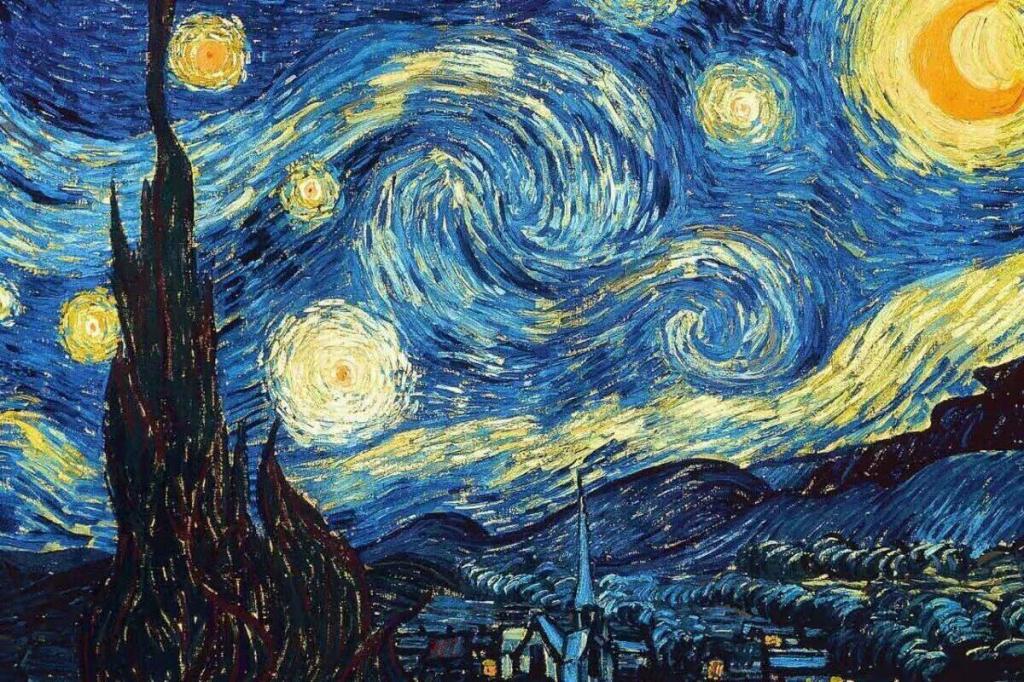
Listen to Don McLean’s melancholy and poignant song “Vincent (Starry, Starry Night)”, and read more about how and why he wrote it here.
.
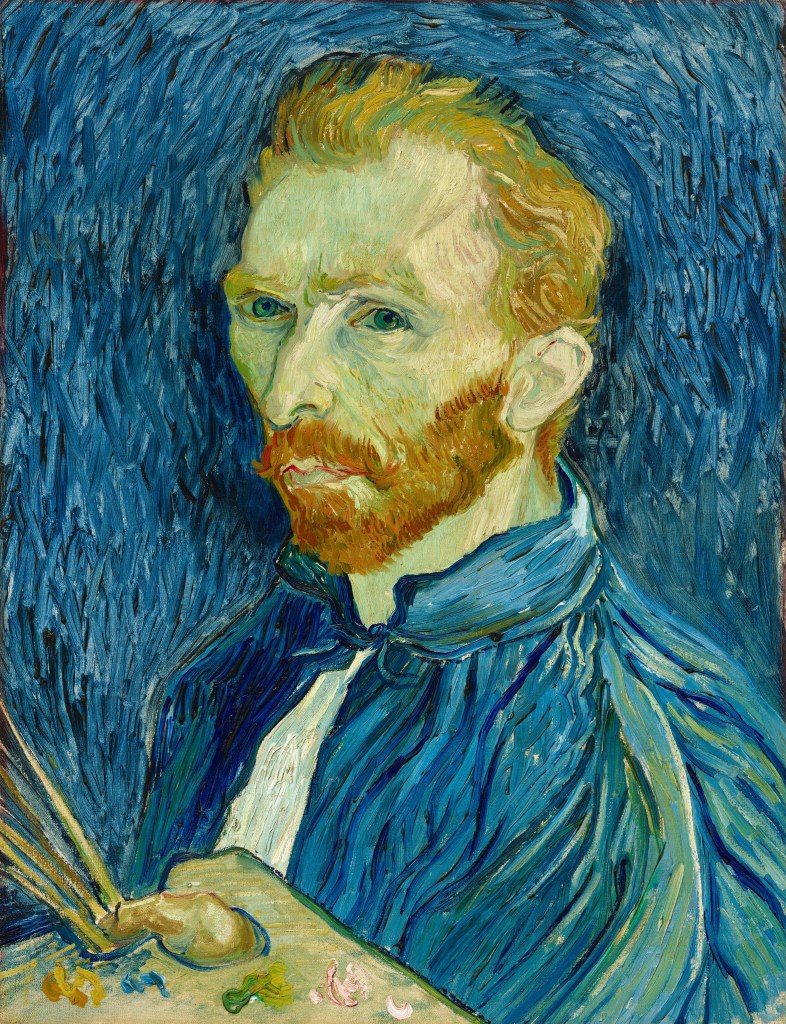
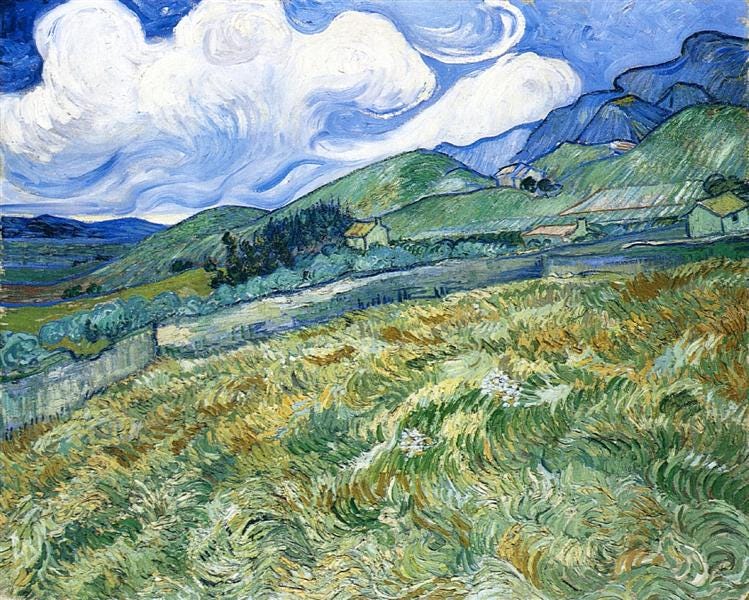
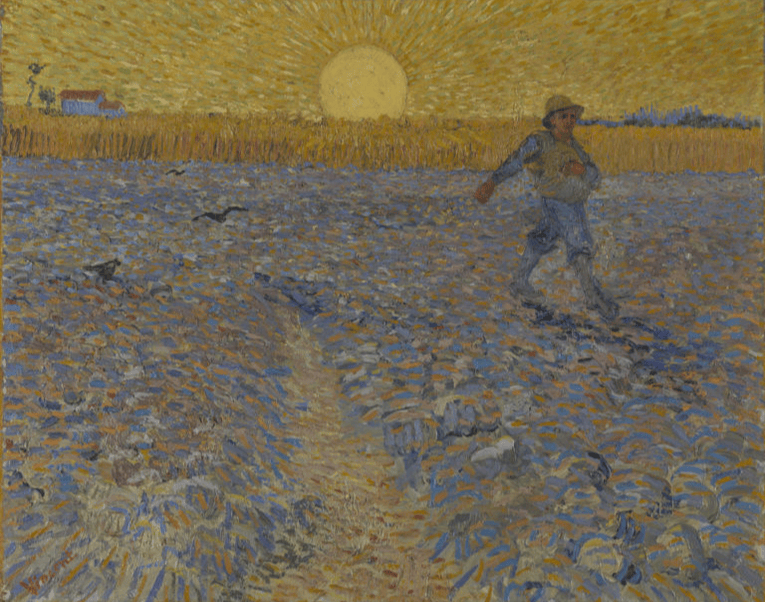
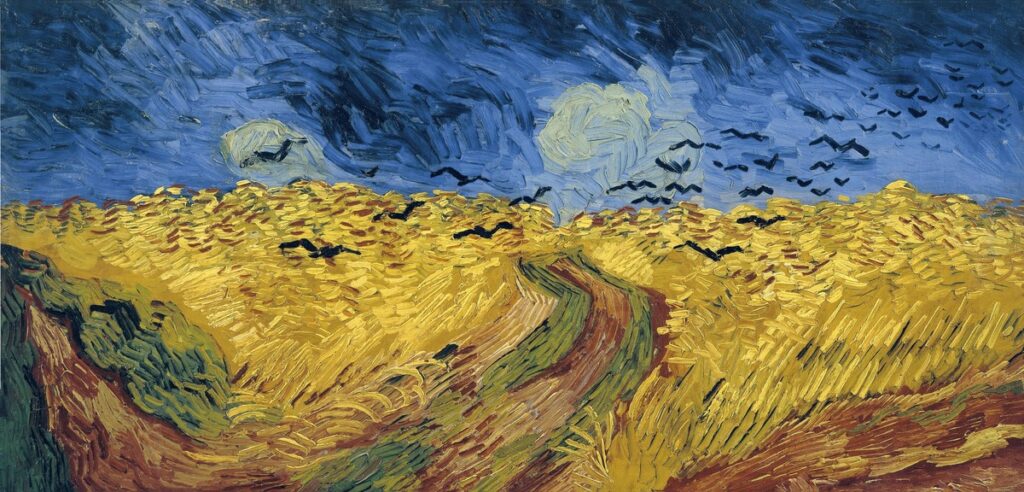
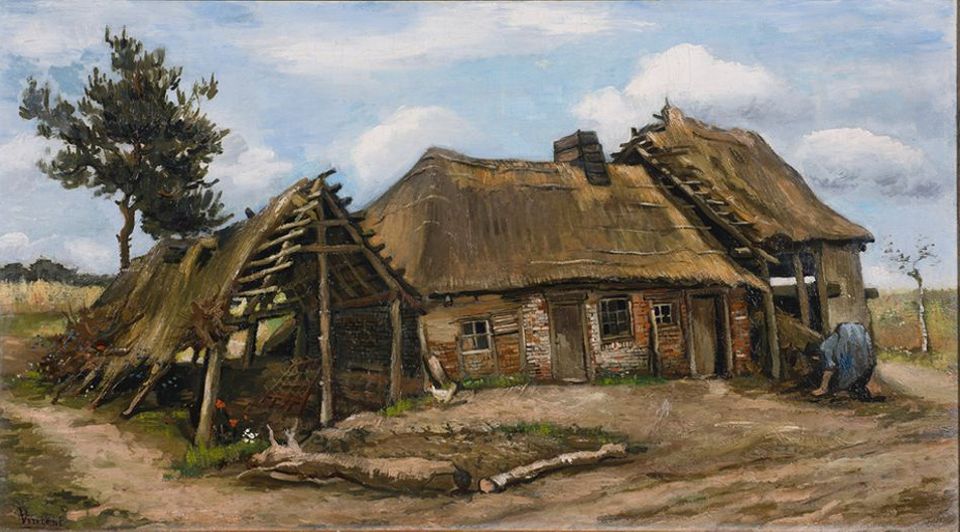
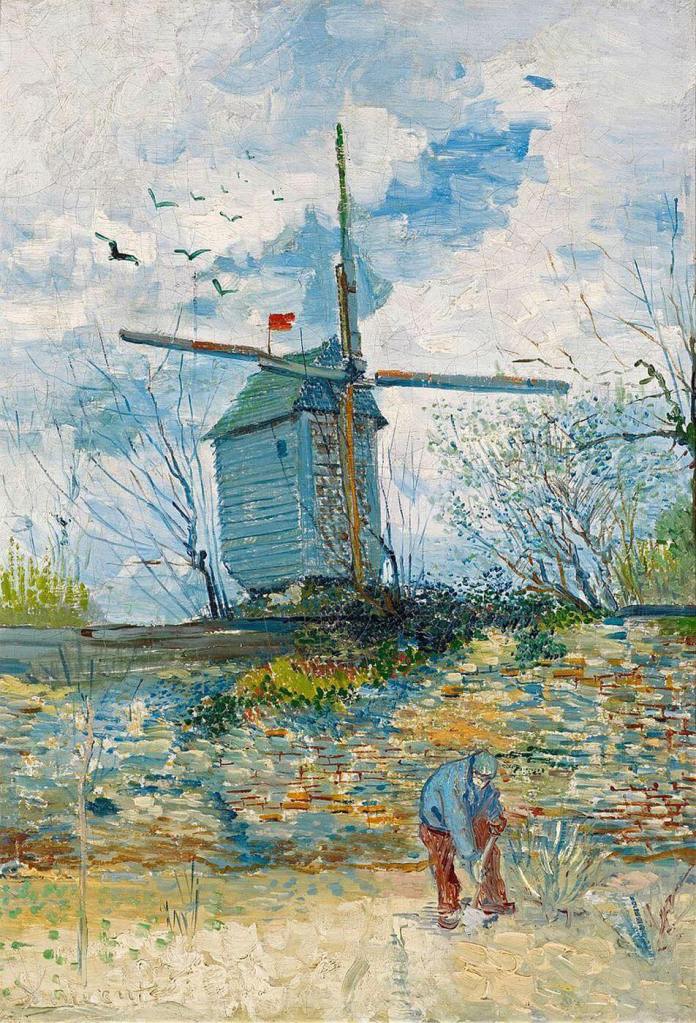
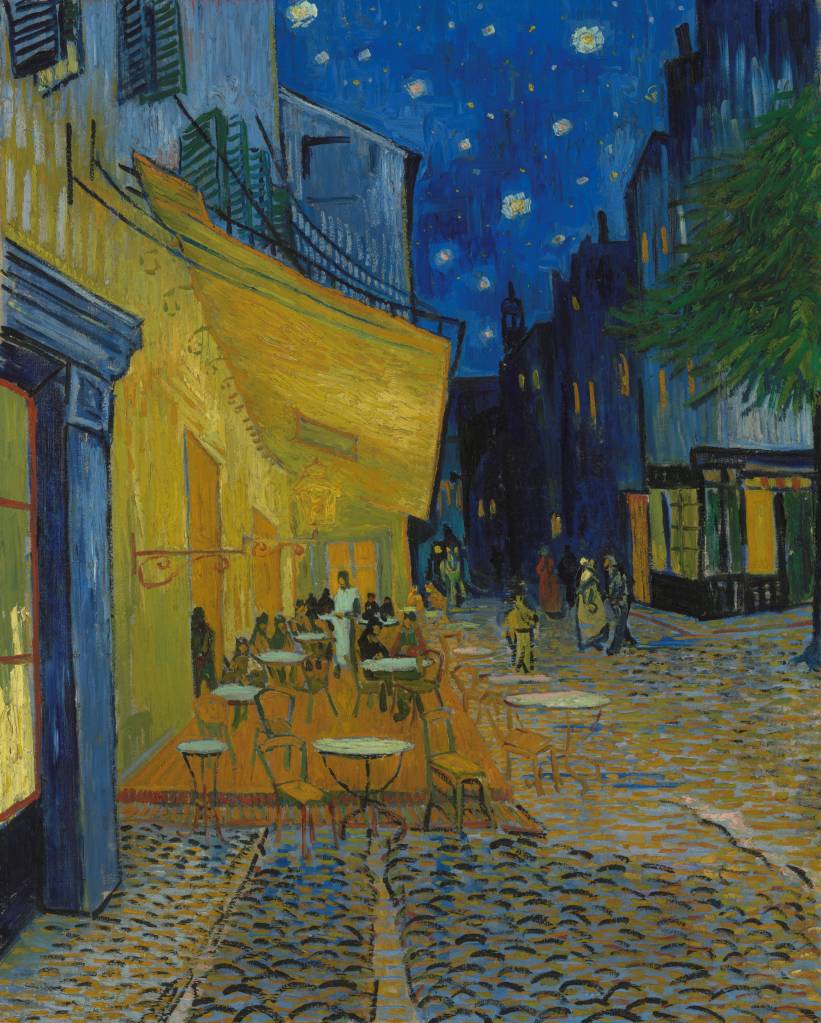
The paintings in this post are some of my favorites by Vincent van Gogh.
Top of post:
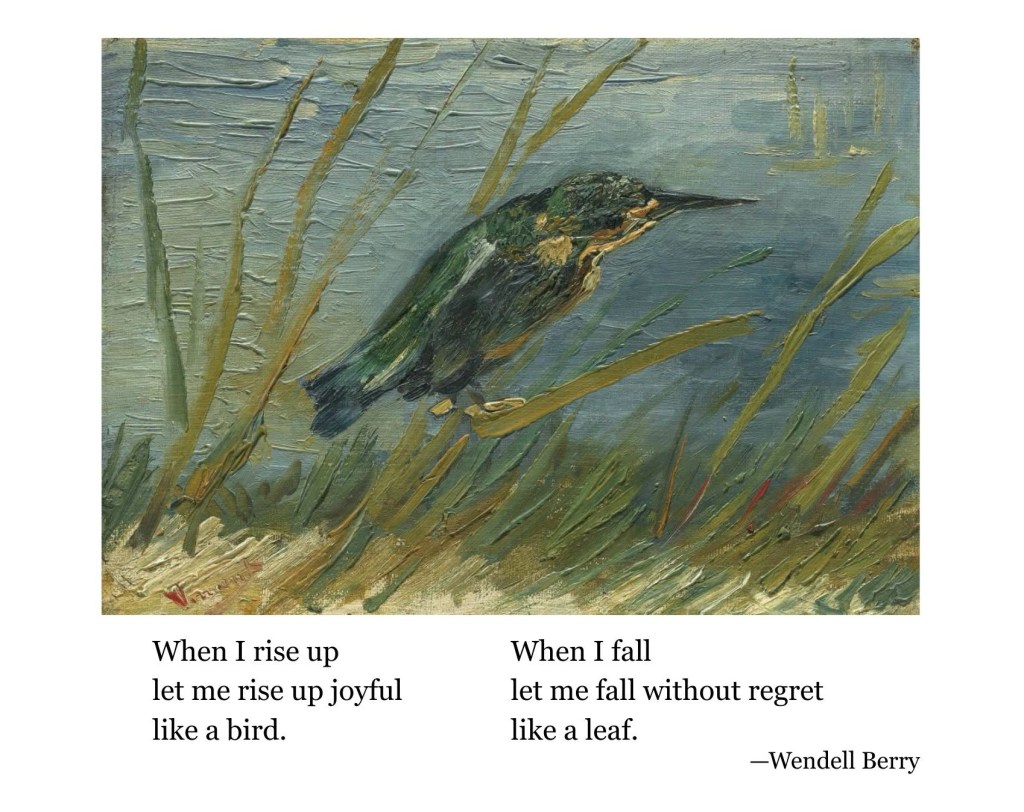
Painting: Kingfisher by the Waterside, July/August 1887. Oil on canvas, 26.6 x 19.1 cm. Van Gogh Museum, Amsterdam.
Poem: from The Mad Farmer Poems by Wendell Berry
.
The links for qualifying purchases in this post earn me a small commission from Amazon, which offset the costs of running this site.

 Great and Noble Tasks