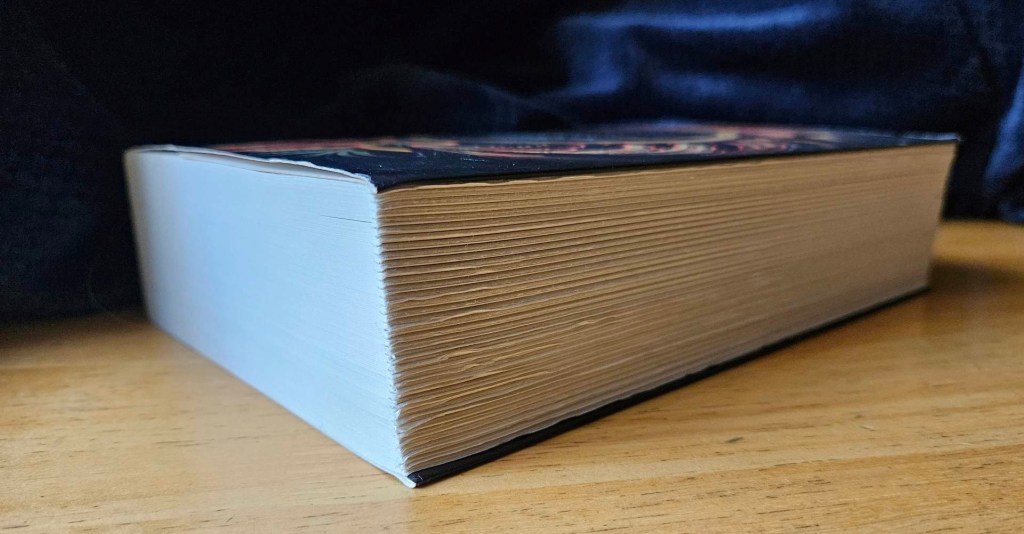
The other day, my daughter referred to her immense Brandon Sanderson paperback (does the man write anything under 1000 pages?) as her emotional support brick. I had just finished rereading a “brick” of my own—Kristin Lavransdatter. Which made me realize that some of my favorite books of all time weigh in at more than 500 pages, and several are over 1000.
Let’s be honest: these gloriously long novels are heavy, cumbersome, awkward to hold, inconvenient to carry around, and take up way too much shelf space. But for the days and weeks that it takes to read them, they become my true and faithful friends, my evening couch companions, my familiar alternate universe worthy of investing my time and my mind and my heart.
There are long books that I love, and there are also long books that I absolutely do not love, and in some cases couldn’t even finish. Here are some of my favorite (and not so favorite) long reads.
Big books I’ve read recently and loved:
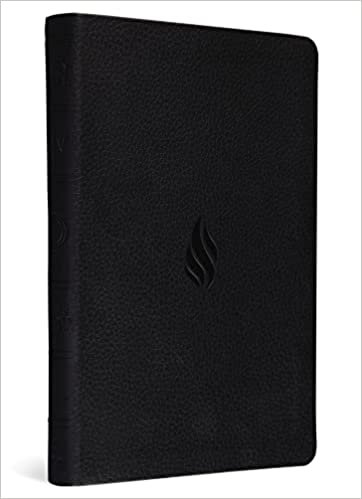
The Bible (you knew this was going to be here, right?). It’s over 1000 pages, I’ve read it several times and in several translations, and I get more out of it with every reading. And yes, if I were stranded on a desert island with only one book, this would be the book. This book differs from others on this list in three important ways, though: first, it’s not fiction (but it is one overarching story); second, its 66 books can be read out of order—in fact, it’s good to read them out of order, especially if you know how and why you’re doing it; and third, it’s the inspired Word of God. Highly recommend.
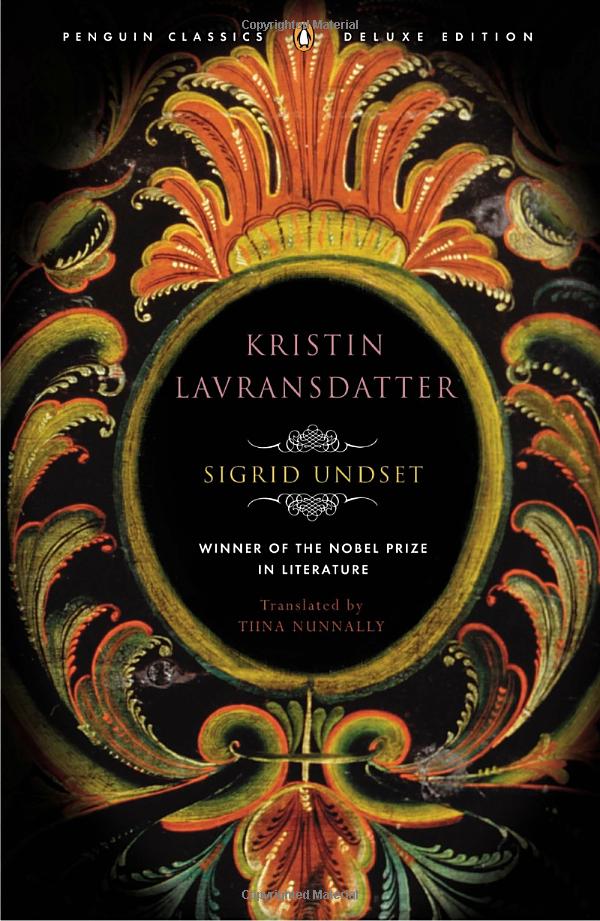
Kristin Lavransdatter (1168 pages) by Sigrid Undset. The setting is 14-century Norway, and this book was written as three smaller novels that tell Kristin’s story from childhood through the end of her life. Don’t tell my other books, but Kristin Lavransdatter is probably my favorite novel of all time. It’s an historically accurate, achingly realistic account of flawed human beings who lived centuries ago and half a world away, yet are more like us than we might care to admit. About halfway through the book, Kristin “…thought about her own heart, which fully understood what was right and wrong, and yet it had always yearned for what was not righteous.” Certainly a human condition we’re all familiar with, if we’re honest with ourselves. The Catholic church is thoroughly woven throughout this story, which was also true to daily life in the European Middle Ages. Kristin Lavransdatter was the primary reason that Undset received the 1928 Nobel Prize in Literature—the third woman ever to do so.
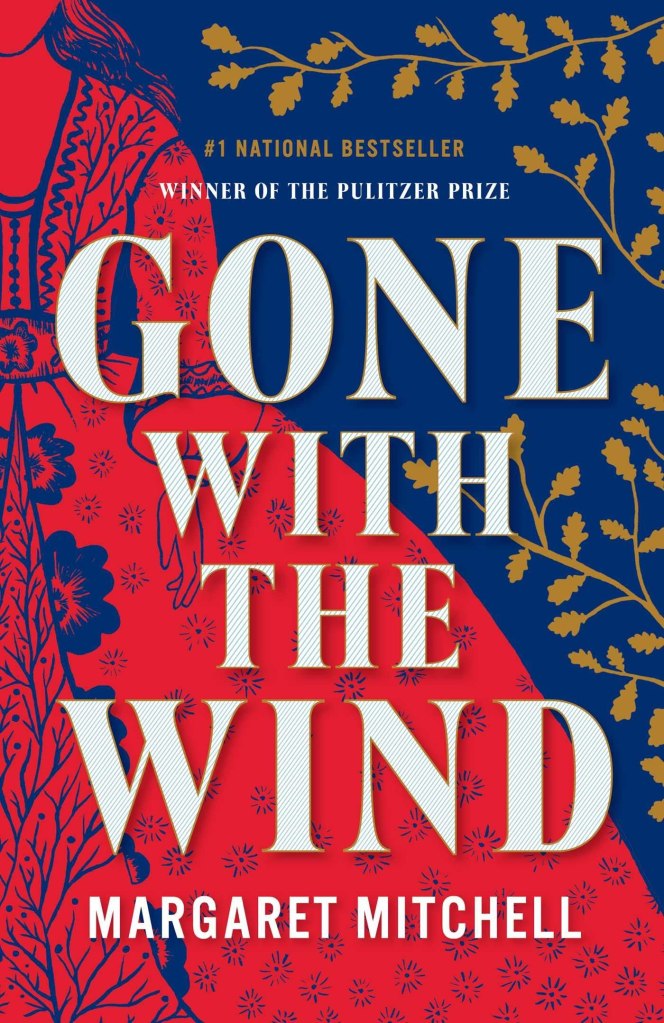
Gone with the Wind (1037 pages) by Margaret Mitchell; winner of the Pulitzer Prize in 1937. This is probably one of my top five novels of all time, partly due to Mitchell’s deft hand with her notorious heroine, Scarlett O’Hara. Childish, self-centered, manipulative, conniving, and charismatic, Scarlett is a character the reader loves to hate (or at least I did). Mitchell herself occasionally indulges in a bit of sly and witty commentary about Scarlett that, if you’re not reading closely, you might miss (I certainly missed that on my first reading at age eleven, but not this time around). GWTW is also a serious Civil War novel, and unlike any other. On a related note, I read this book the same year I read Toni Morrison’s Beloved (a much shorter, astoundingly original post-Civil War novel by a Nobel prize-winning author) and I was immediately struck by the thought that if you read these two novels back to back, you will come away with a pretty good overview of how we got where we are with race relations and racial issues in this country. Certainly both books provide a lot of food for thought.
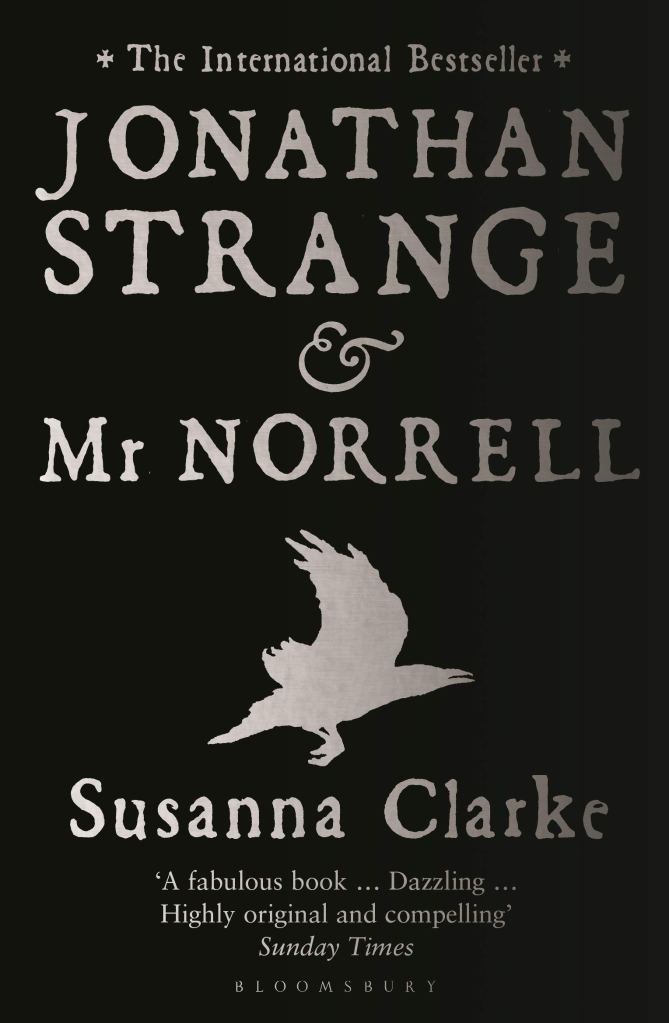
Jonathan Strange and Mr Norrell (782 pages) by Susanna Clarke. An alternate history novel set in 19th-century England. In particular, it’s about the history of magic—which may or may not appeal to everyone. Clarke is a brilliant writer, and I’d recommend starting with Piranesi, which is under 300 pages. If you love that one (not everyone does, of course), and if you’re interested in the subject matter of Jonathan Strange, give it a go. I absolutely loved the last 100 pages of this book.
East of Eden (704 pages) by the incomparable John Steinbeck. I’m a huge Steinbeck fan, and if you like his other not-cheery books, say, The Grapes of Wrath or Of Mice and Men, give East of Eden a try. It’s his best one.
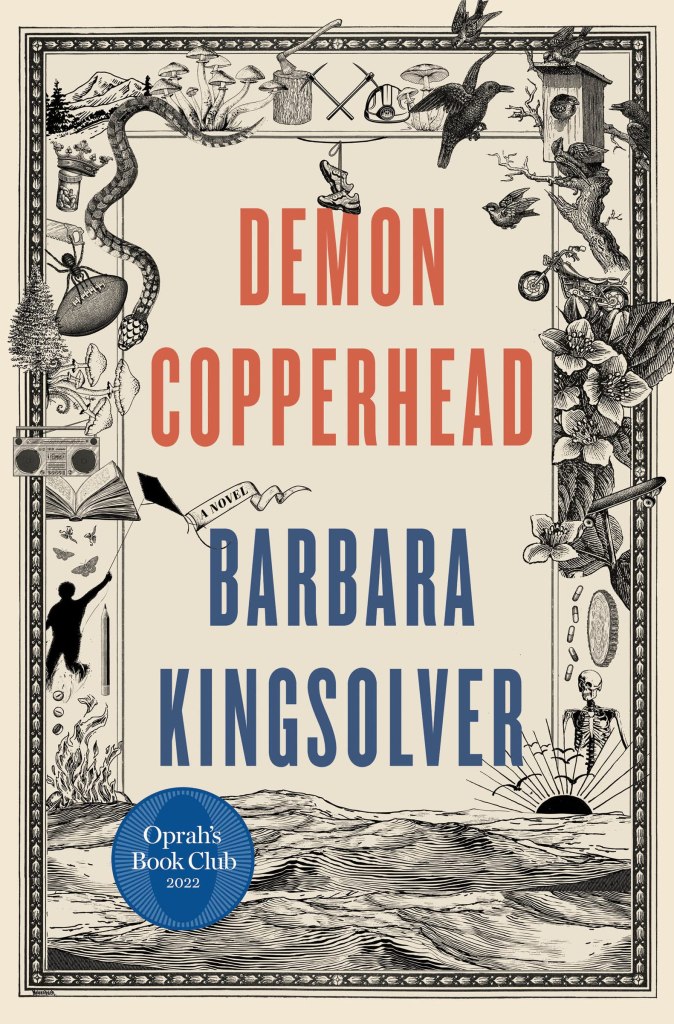
Demon Copperhead (560 pages) by Barbara Kingsolver. A modern-day Appalachian retelling of David Copperfield. The narrator’s voice in Demon Copperhead rang so true to me. Themes of rising from poverty and family addictions are dear to my heart when written well.
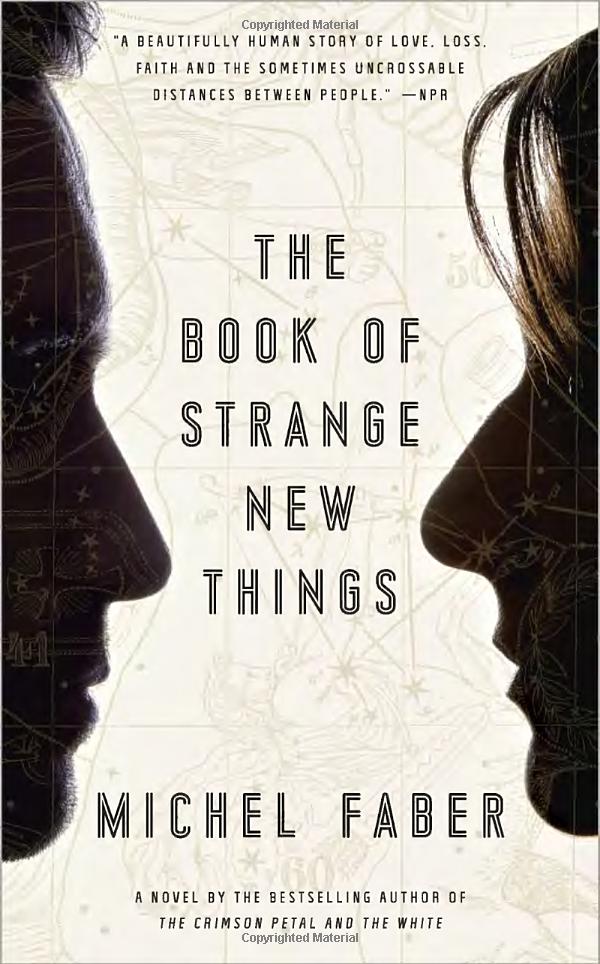
The Book of Strange New Things (512 pages) by Michel Faber. A sci-fi book about religion, other planets, missionaries, and the Bible, written, without irony or ridicule, by an atheist. I couldn’t pass that up and it didn’t disappoint.
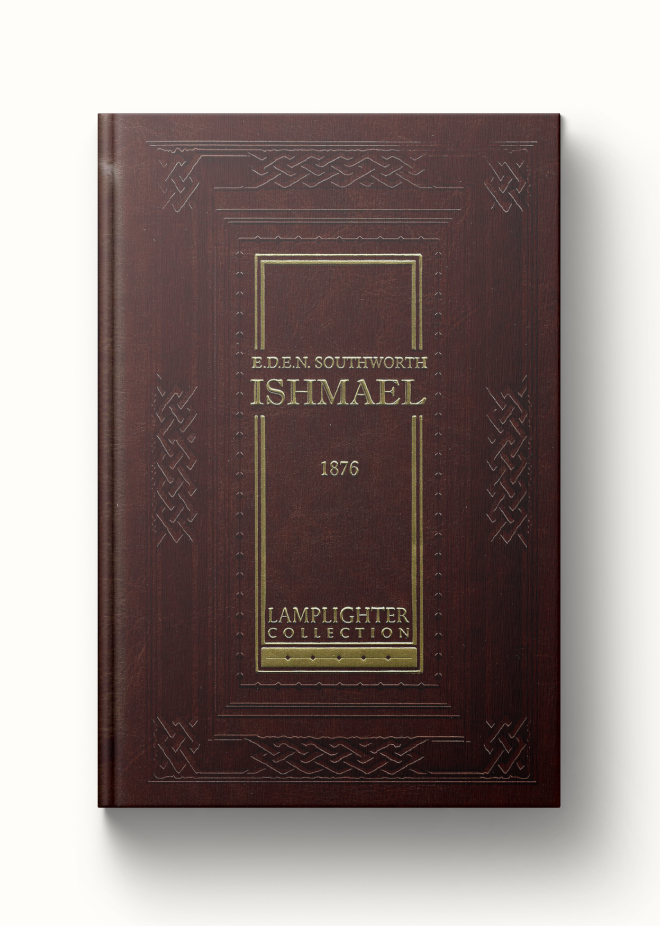
Ishmael (528 pages) by E.D.E.N. Southworth. This book was written in 1876 and published by Lamplighter, a company dedicated to bringing forgotten Christian novels back into print in beautiful editions. There’s a sequel that tells the rest of Ishmael’s story (Self-Raised), and another stand-alone title by this author that I liked even more than Ishmael, called The Hidden Hand.
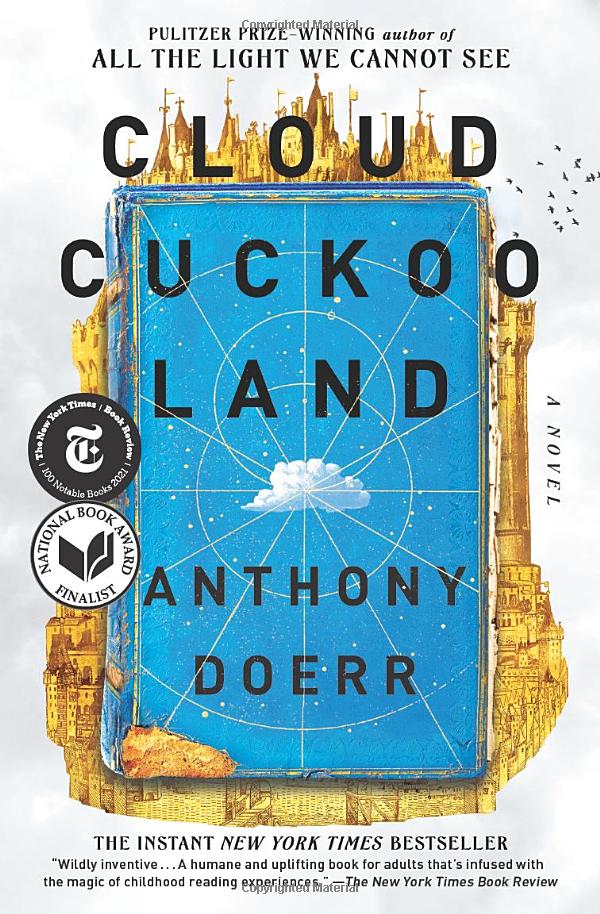
Cloud Cuckoo Land (640 pages) by Anthony Doerr. This is a book for people who love books, by the author of All the Light We Cannot See. The plot moves back and forth over six centuries, following several different characters until things converge at the end. I love books like this.
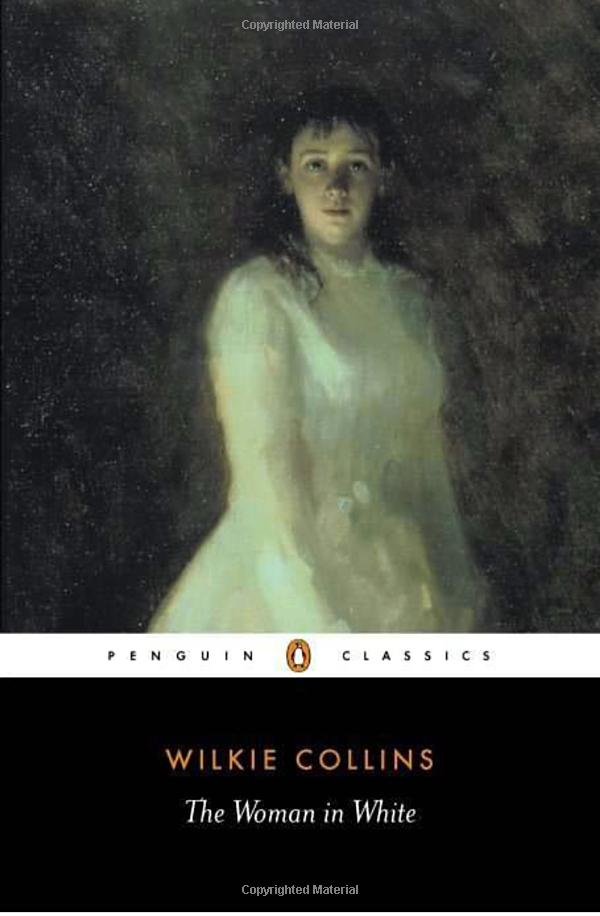
The Woman in White (672 pages) by Wilkie Collins, contemporary and friend of Charles Dickens. This mysterious page-turner has one of my favorite female characters of all time, Marian Halcombe.
Here are a few more big books that I’ve loved, but have not read recently. This includes several books I read in my twenties, so I’m not vouching for anything here except that I loved them at the time:
- Cutting for Stone (658 pages) by Abraham Verghese
- Lonesome Dove (945 pages) by Larry McMurtry
- The Book Thief (608 pages) by Markus Zusak
- Evergreen (698 pages) by Belva Plain
- The Thorn Birds (688 pages) by Colleen McCullough
- The Physician (765 pages) by Noah Gordon
- The Stand (1138 pages) by Stephen King
- Pillars of the Earth (1104 pages) by Ken Follett
- The Autobiography of Henry VIII (934 pages) by Margaret George (I read this one recently; you can read my full review here)
- Green Dolphin Street (574 pages) by Elizabeth Goudge (I read this one recently; more details here)
Just for fun, two huge books that I finished but really and truly disliked: The Goldfinch (771 pages) and Forever Amber (976 pages).
And a few that I’ve tried to read multiple times but could not finish no matter how hard I tried:
- David Copperfield (624 pages) (see Demon Copperhead, above)
- Les Misérables (1488 pages) (I love the story, but Hugo needed a good editor here)
- Lord of the Rings (1178 pages) (I know that I may have my reader/Christian/teacher privileges revoked by admitting that I cannot make myself enjoy reading LOTR)
There’s one other very long novel I haven’t tackled yet, but I think I will soon. My son came home from the bookstore recently, showed us the tremendous tome that he had purchased, and announced that he planned to read The Count of Monte Cristo over the summer. I might read it, too—it’s been on my list for years. And I’m now going to admit something that’s even more shocking than my not liking Lord of the Rings: there are a few, a very few, extremely long books that, even as an English major and former English teacher, I would willingly read in an abridged edition (Les Mis, Moby-Dick, and Hans Brinker come to mind). I mentioned this to my son, that I was considering the abridged version … and he was utterly horrified. So in order to save face with my offspring, it looks like I’m going to have to read all 1276 pages of The Count of Monte Cristo.
I’ve heard it’s good.
The links for qualifying purchases in this post earn me a small commission from Amazon, which I use to offset the costs of running this site.

 Great and Noble Tasks
Rebekah, great article on great reads. I just love how you always “confess your sins” in such a sweet way. I always identify!🥰 Cathy
LikeLike
Haha, yes I do have many sins, even reading sins. Thankfully Jane Austen has short books, or I would have had to confess my sins of not liking those here, too. 😉
LikeLike
I read long books too and they are totally worth it
LikeLiked by 1 person
I read East of Eden last year (my first Steinbeck novel—I have no idea how I got an English degree without reading Of Mice and Men), and was floored by the writing.
Just out of curiosity, how far did you get through Les Mis before giving up? I remember the first third feeling like a boring history dissertation, but then it seemed to pick up a lot in the latter parts.
LikeLike
Steinbeck is SO incredibly gifted as a writer. Not a cheerful writer, but so great. (And I also got an English degree without reading Of Mice and Men – I read it on my own, years later. The only Steinbeck I read in college was The Grapes of Wrath, and that was assigned in history, not English. Go figure.)
I got about 400 pages into Les Mis before quitting, if I remember right. I was 8 or 9 months pregnant with my second child at the time, so that may have had something to do with my attention span. 🙂
LikeLike