Schooling

Big Moments from 23 Years of Homeschooling

I’m retiring this week from a job I’ve had for the past 23 years. It’s a job I chose willingly and have loved. I’ve been a homeschool mom.

Now, homeschooling isn’t for everyone, for lots of reasons. I believe strongly in good schooling options and parental choice, and I’ve written about that a few times already. But I was able to homeschool, I believe God called us to homeschool, and I very much wanted to homeschool, so I did.

I wonder how other moms celebrate or commemorate the end of homeschooling? Here’s my method: First, I had a good, long cry. Then I sent a family text with a picture of a completely clear dining room table (see above), telling everyone that my 23 years of homeschooling had come to an end and how much I loved them. My husband and I went for a walk and got ice cream. And then I sat down to write this highly personal (but maybe a little bit universal?) list of big moments, along with a few pictures from homeschooling in the Matt household:

continue reading


Schooling

Why You Don’t Need to Worry (So Much) about Your Schooling Choices

Some parents seem to know exactly how they’re going to school their children from a very early age—whether homeschool, private school, or public school—never second-guessing themselves  at any point from kindergarten through twelfth grade.

That’s awesome. Terrific! I applaud those parents and commend them for their commitment to whichever school choice they’ve made for their kids. But this article isn’t for those parents.

continue reading
Schooling

Homeschooling and the Gift of Time

Back in 2007, while watching Meet the Robinsons with my family, I got choked up hearing “Little Wonders” by Rob Thomas. Before I knew the actual title, I thought it was called “These Small Hours,” because it was all about time—how we spend it, how we look back on it, how our memories are made of it.

Our lives are made

In these small hours

These little wonders

These twists and turns of fate . . .

For many years, I took time for granted in our homeschooling. We were homeschoolers, we always had homeschooled, and I didn’t know any differently. But when two of my sons entered (and one later left) the public school system, I began to greatly appreciate the gift of time that homeschooling had provided to us. And time, as most of us in the modern world would agree, is precious—precious like gold or diamonds, to be treasured and protected.

continue reading
Schooling

Welcome to the Annual Mid-August Homeschool Mom Freak-Out

Every year for many years now, my August experience has been the same.

I start the summer joyfully (as do whichever of my kids are being homeschooled at the time, even the poor older guinea pigs I subjected to minor “summer math and reading” in early years—sorry, kids). I’m full of hope, relaxed expectation, and plans for catching up on all the things I had no time for during the school year. I even have a list of what I intend to accomplish in all of the “free time” I’m going to have.

continue reading
Parenting · Schooling

Homeschool to Public School … and (Sometimes) Back Again

Tips on making the transition when you’re considering public school

We’re an 85.9% homeschool family (I did the math). We started out intending to be a 100% homeschool family, and in my heart I’m a 100% homeschooling mom, but Child #3 and Child #4 required different approaches to their education, so we’re going to end up at 85.9% overall. Kids will throw you a curve ball like that sometimes.

During the time that I was considering other schooling options for my two out-of-the-homeschool-box boys, I searched in vain for real-life experiences, examples, walk-throughs—anything to guide me in uncharted territory or even just encourage me in taking these huge steps into the unknown. I couldn’t find much, so now that I’ve walked this path myself—twice, in two different ways—I decided to write about it in order to help others who find themselves in a similar situation.

continue reading
Schooling

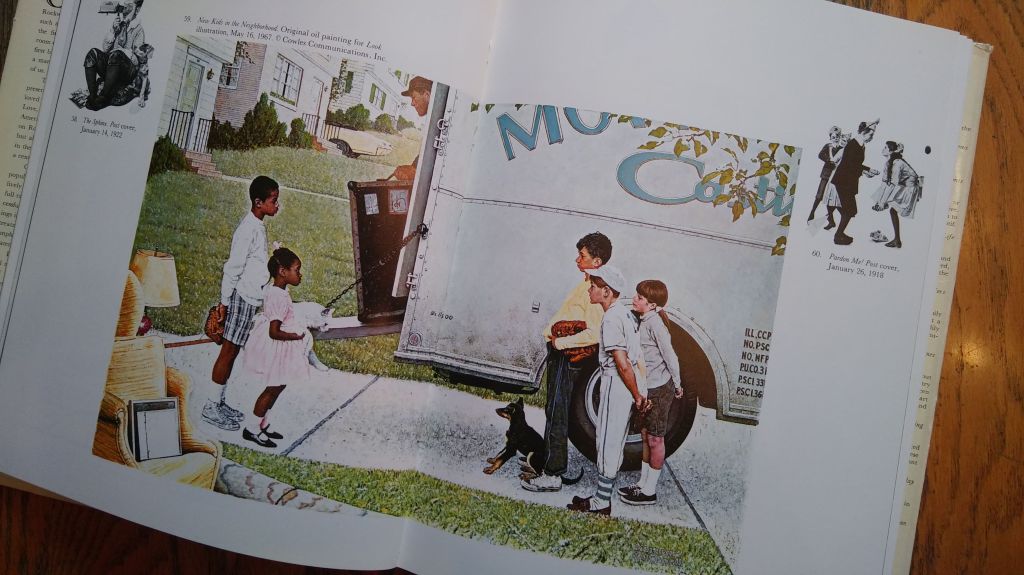
Sharpening Social Skills Using Norman Rockwell Paintings, Part 2

In my previous post, I explained how and why you can use Norman Rockwell paintings as resources to teach social skills and inference to kids on the spectrum, as well as neurotypical (NT) kids. I also provided a walk-through of a lesson based on one of Rockwell’s early paintings.

In this post, I’ll go into more detail on the kinds of questions to ask your child, what to anticipate during the lesson, and what to do about a resistant child or one who seems to be in over his head.

continue reading
Schooling

Sharpening Social Skills Using Norman Rockwell Paintings, Part 1

How to use classic illustrations to teach social skills to kids on the spectrum.

For many years in our homeschool, we did “artist/composer study” every Friday, studying one person each month. For most of those years, we simply focused on the artist’s life and their most important works. But when I was teaching my youngest, I realized an amazing thing during our study of Norman Rockwell: his paintings are incredible teaching tools for developing social skills and inference for kids who struggle in this area. And as a bonus, they’re really fun to talk about.

Both this post and the next are for the benefit of those who are homeschooling a child on the spectrum, as well as those who teach or provide social skills therapy for kids with ASD, or want to use these techniques with neurotypical (NT) kids just for the fun of it.

continue reading
Schooling

Creating Your Own Middle or High School Bible Curriculum

Looking for tips and suggestions on creating a homeschool Bible (or Bible-related) class for your high schooler or middle schooler? Read on to see many of my favorite suggestions for a wide range of students, including a great Bible you may never have heard of, other books at all reading and interest levels, and miscellaneous ideas to round out your Bible class.

continue reading
Schooling

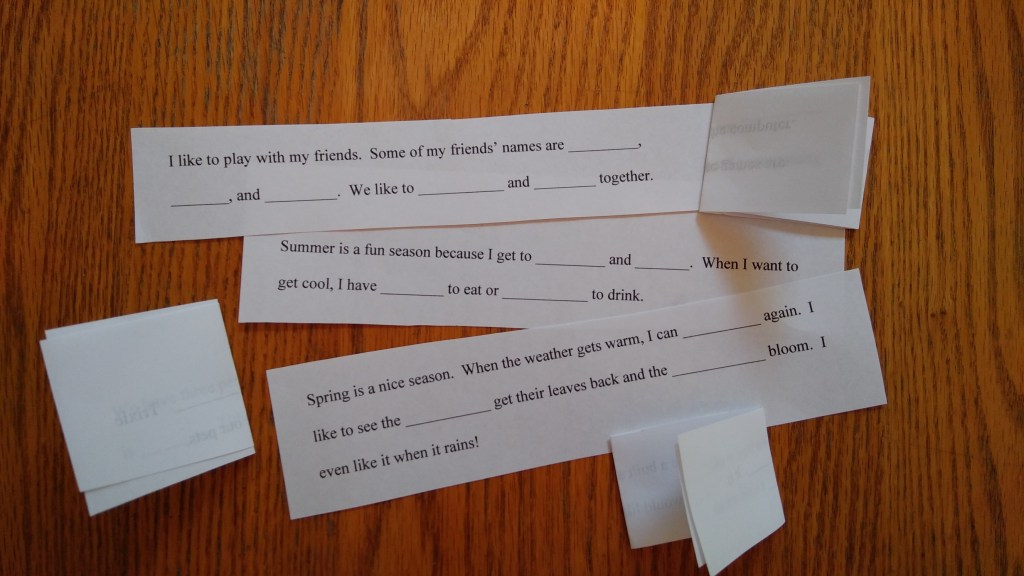
DIY Copywork for Early Elementary

When my kids were young, we mostly followed the Charlotte Mason approach to education: literature-based schooling, short lessons, lots of nature study, and frequent copywork, among other things. For the most part, I kept this pattern for all four of my children, through their many differences in enthusiasm for school, attention spans, and abilities in each area of learning. I quickly discovered that I didn’t need a formal language arts program at all until mid-elementary years, thanks in part to the practice of Do-It-Yourself Copywork.

continue reading