It’s so interesting to me to see what people like to read. I’ll look at just about anyone’s year-end list, even if our reading tastes don’t overlap much. Then when I do find another reader who is a kindred spirit, it’s just that much better! I hope you find a few books here that make you say, “Oh, I loved that one, too!” or, “I must now immediately read this,” or, “I think it’s time to reread this one, or give it another try.” Or even, “That one’s not for me, but I’m glad she liked it.”
I read a total of 27 fiction and 13 nonfiction books this year, plus three abandoned (DNF) and a couple I merely skimmed. Maybe you’ll find some new reading ideas among my favorites from 2025. All books are listed simply in the order I read them during the year.
Fiction:
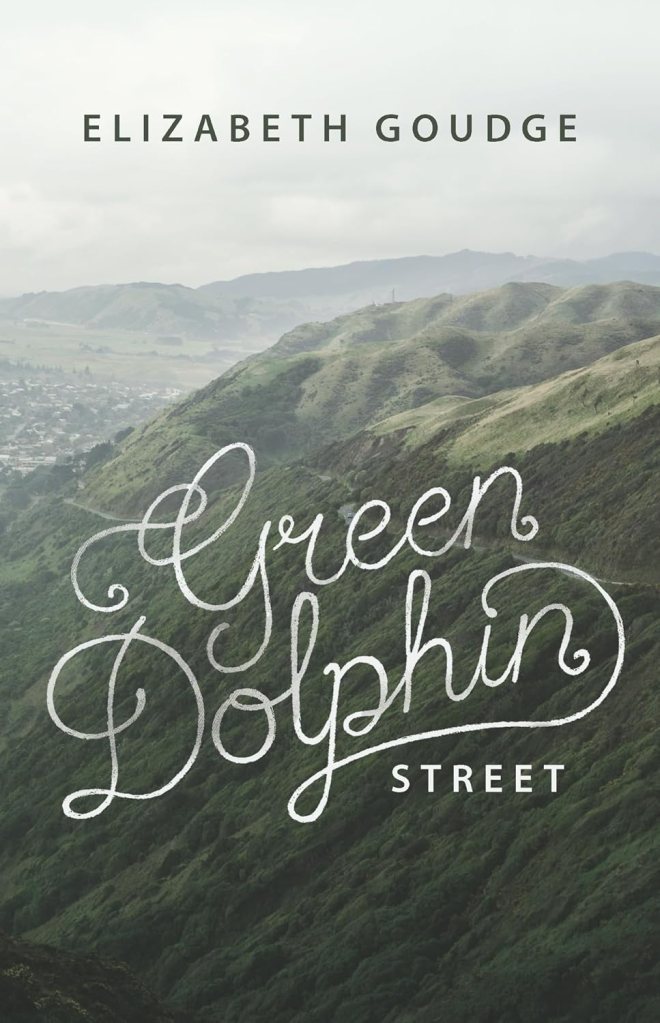
Green Dolphin Street by Elizabeth Goudge. Written in 1944, this novel is great historical fiction. I love the author’s wit (I laughed out loud several times), the 1830s Channel Islands setting, the determined and intelligent Marianne who makes the most of life as a woman during this time period, and the book’s insight into human nature. I often like books that take a lifespan approach, with believable character development from childhood to old age. (Alternate title: Green Dolphin Country.)
.
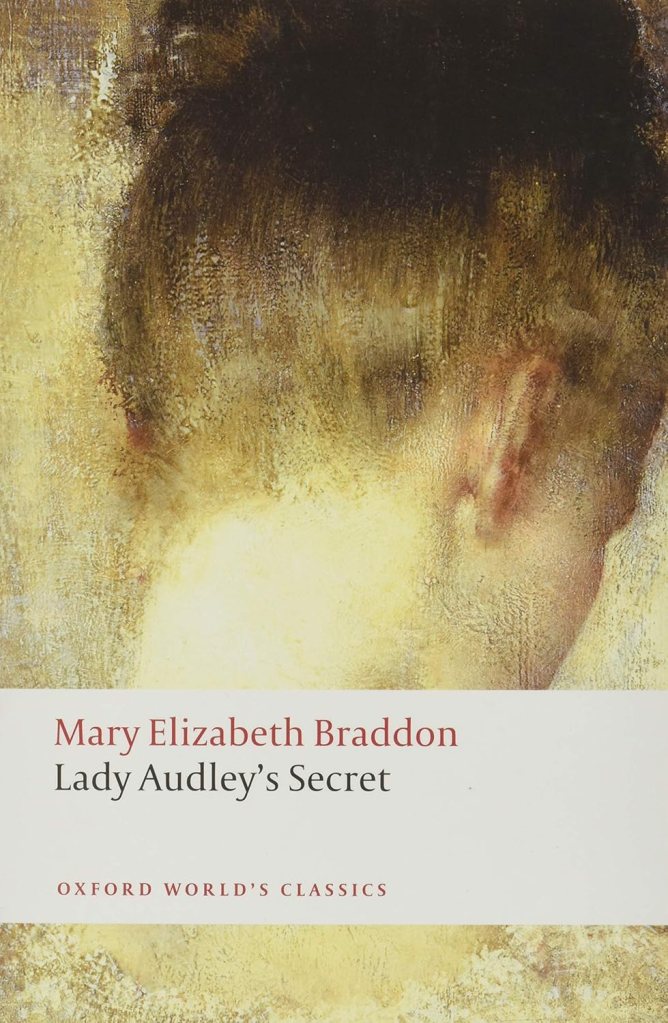
Lady Audley’s Secret by Mary Elizabeth Braddon. An 1862 “sensation novel,” which would be like today’s thrillers. It’s a romantic melodrama inspired by a true case, and also a detective story. At one point the main character (the detective) uncharacteristically feels that he’s being haunted by ghosts, so he abruptly shuts his door and locks it. “‘I haven’t read Alexander Dumas and Wilkie Collins for nothing,’ he muttered.” I love this! If you love gothic suspense, you’ll like this one.
.
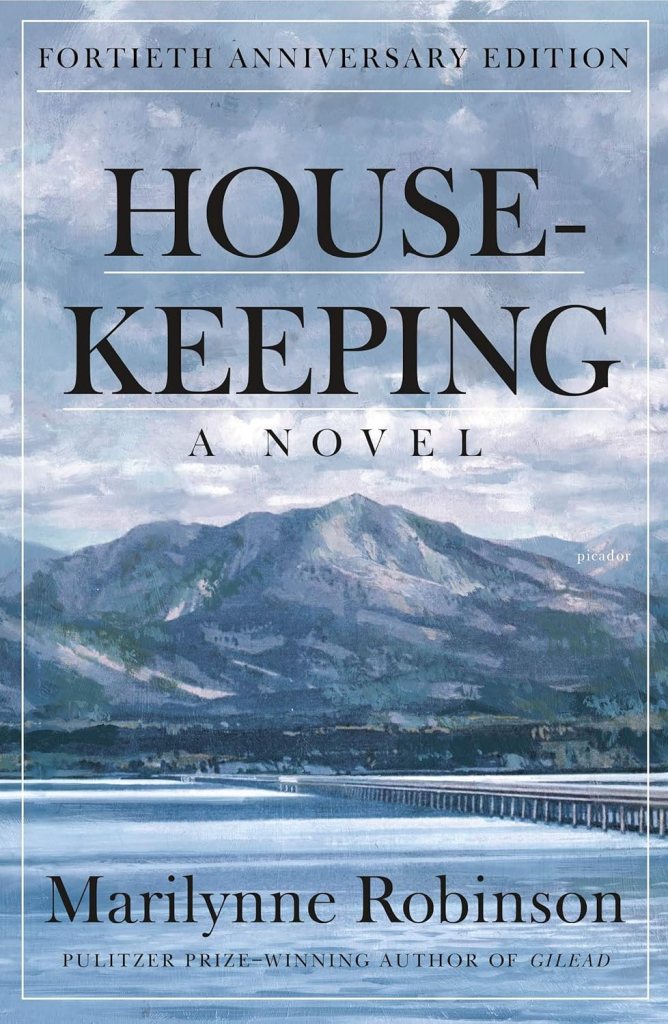
Housekeeping by Marilynne Robinson. After thoroughly enjoying her Gilead series, I finally read Robinson’s first, stand-alone novel. Robinson has a very literary writing style, which requires reading slowly and savoring the sentences. This is an astoundingly beautiful book which, for me, illuminated the differences between a dysfunctional childhood and an unorthodox childhood. It touches on identity and loss, the thin edge of what is “normal” and what is not, and the meaning and importance of home and family—all told in Ruthie’s unique and startlingly honest voice.
.
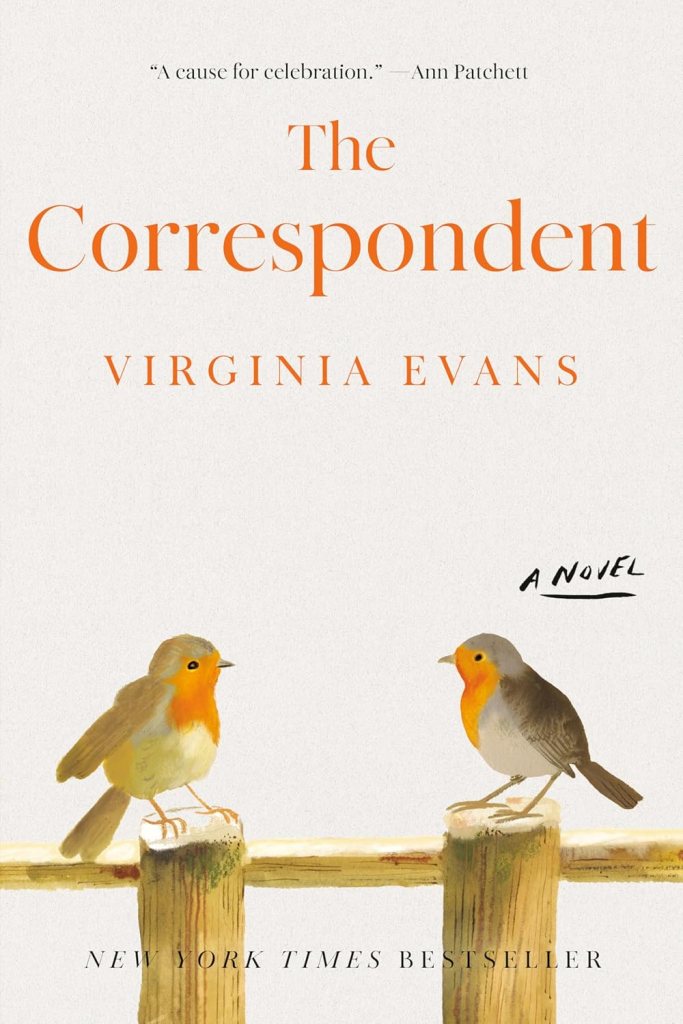
The Correspondent by Virginia Evans. Spanning the years 2012 to 2022, this debut novel is the story of Sybil Van Antwerp, a character you won’t soon forget. Over the course of Sybil’s long life, she writes many letters and receives many in return, but Evans ensures that the multiple characters and story lines are never confusing; instead they are slowly revealing a remarkable life, an astounding story, and a heart-wrenching look at love and loss, guilt and forgiveness, hubris and humility, humor and grief, and so much more. The characters are all so true to life, the story so compelling, and the writing so good that I couldn’t put it down. One of the best epistolary novels I’ve ever read.
.
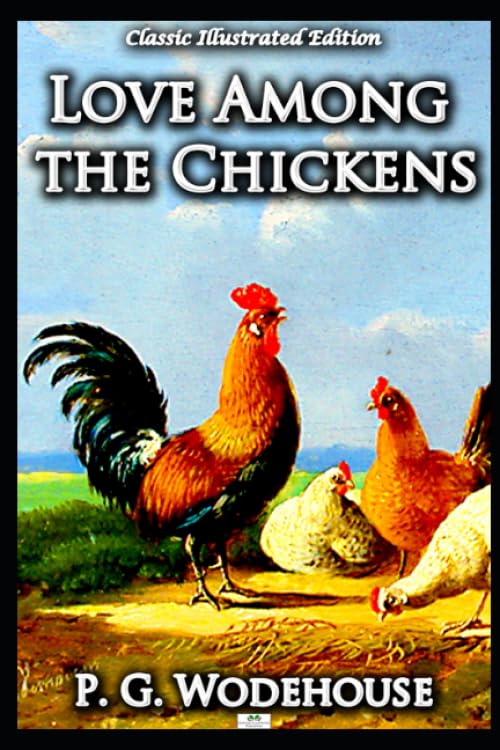
Love Among the Chickens by P. G. Wodehouse. My first Wodehouse, can you believe it? I was too overwhelmed by all of his Jeeves and Wooster titles, so I deliberately chose a stand-alone book. As many friends have already told me, Wodehouse is very funny! And I do so love chickens (also see my nonfiction list below).
.
.
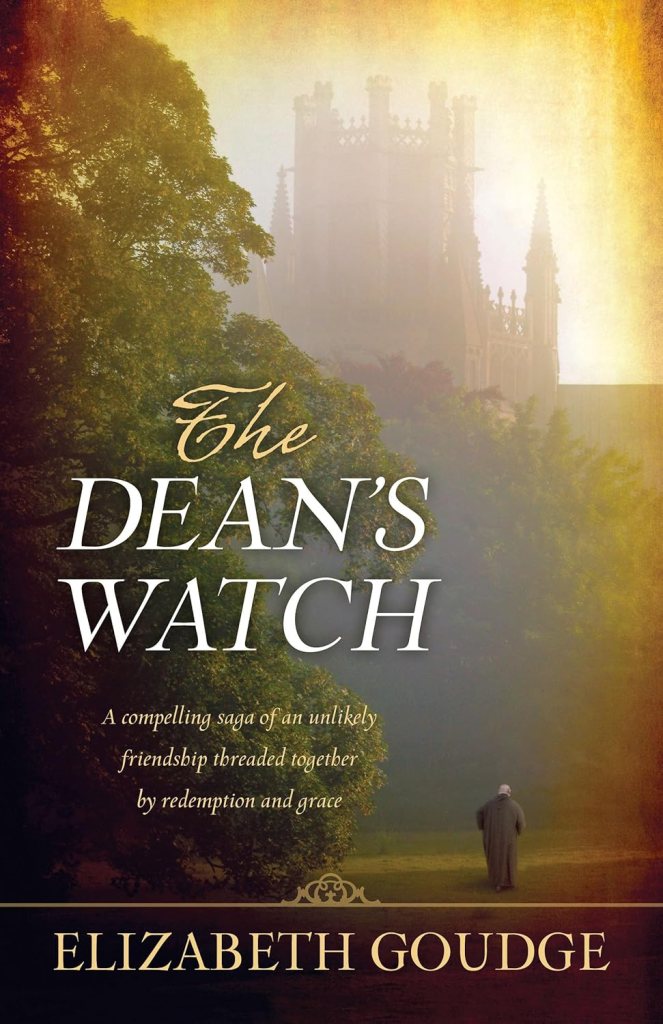
The Dean’s Watch by Elizabeth Goudge. My second Goudge this year and I think I loved it even more than the first. Written 16 years after Green Dolphin Street above, this is an excellent book to read in late fall or during Advent. I very much appreciated Goudge’s skill with characters, setting, and atmosphere; every time I opened the book, I was immersed in a 19th-century English village with all of my senses. I saw myself in each character in different ways (for better and for worse), and I found myself thinking of them often. My full review of this book is here.
.

Heartwood by Amity Gaige. A contemporary novel told from the point of view of three women: a hiker lost in Maine on the Appalachian trail, the state game warden in charge of the search for her, and a quirky retiree who plays armchair detective from a distance. This novel is suspenseful and hard to put down. The three main characters are well written and believable, as are the setting and the search process. I’m finding it harder to find contemporary fiction that I truly enjoy, so this one (and The Correspondent) were a very pleasant surprise for me this year.
.
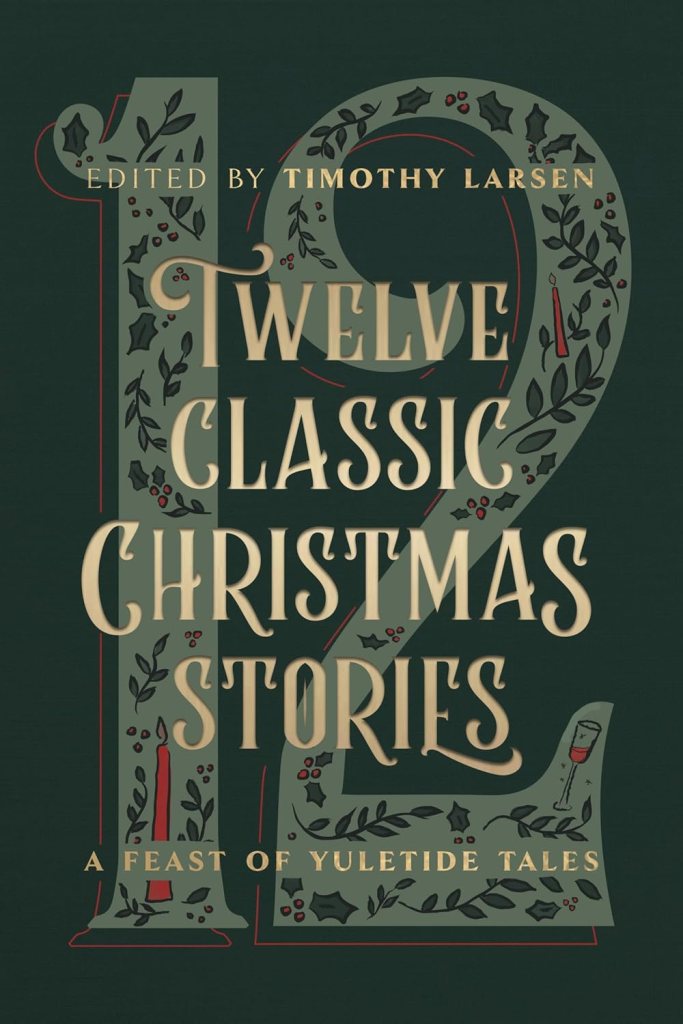
Twelve Classic Christmas Stories: A Feast of Yuletide Tales, edited by Wheaton history professor, Dr. Timothy Larsen. This book one is now one of my new Christmas favorites. It’s a beautiful, high-quality book inside and out, with simply wonderful, older stories from many famous authors— a couple of stories were familiar to me, but most were not. There’s an Intro to each story and footnotes on unfamiliar language and references, many of them helpful for older children if you’re reading aloud. I highly recommend doing what I did last year: buy it now, pack it away with your Christmas decorations and books, and then you’ll have such a treat next winter when you pull it out as an early Christmas gift to yourself!
.
Nonfiction:

Rembrandt Is in the Wind: Learning to Love Art Through the Eyes of Faith by Russ Ramsey. This well-illustrated book is about the concepts that can be discussed through both art and faith. A must-read for any Christian who also loves the visual arts.
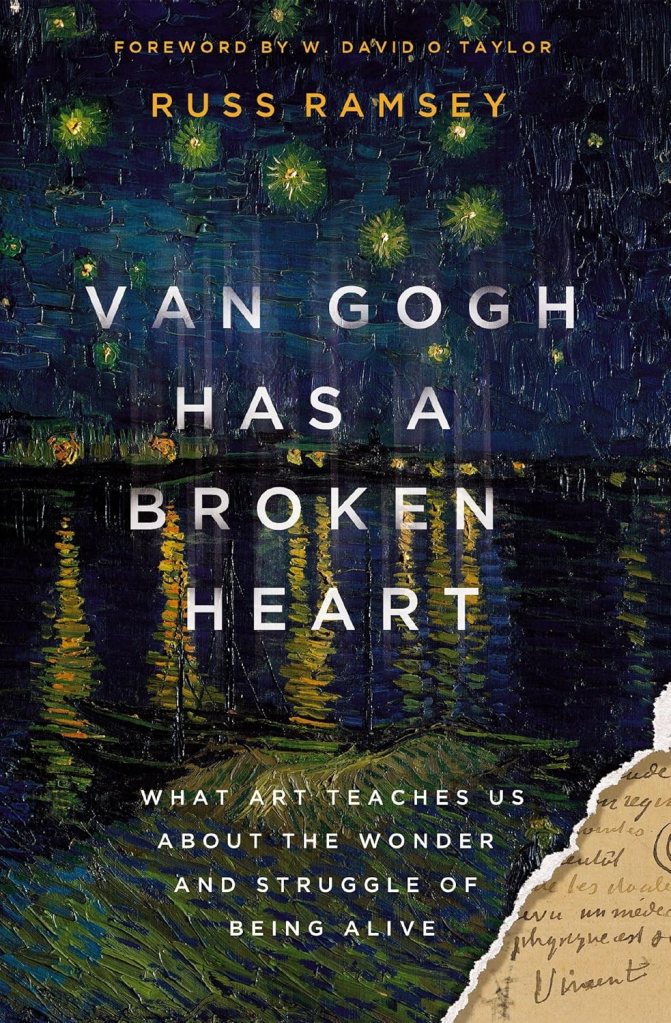
Van Gogh Has a Broken Heart: What Art Teaches Us About the Wonder and Struggle of Being Alive, also by Russ Ramsey. Of the two, I liked this one even more than the first, I think because it’s more personal and poignant. The final chapter is one of the best I’ve ever read in any nonfiction book, and is a perfect conclusion to these two volumes. Both books are well designed, they match perfectly (thank you, Zondervan), and they both have useful and unique appendices. More details in my original post on these two books.
.
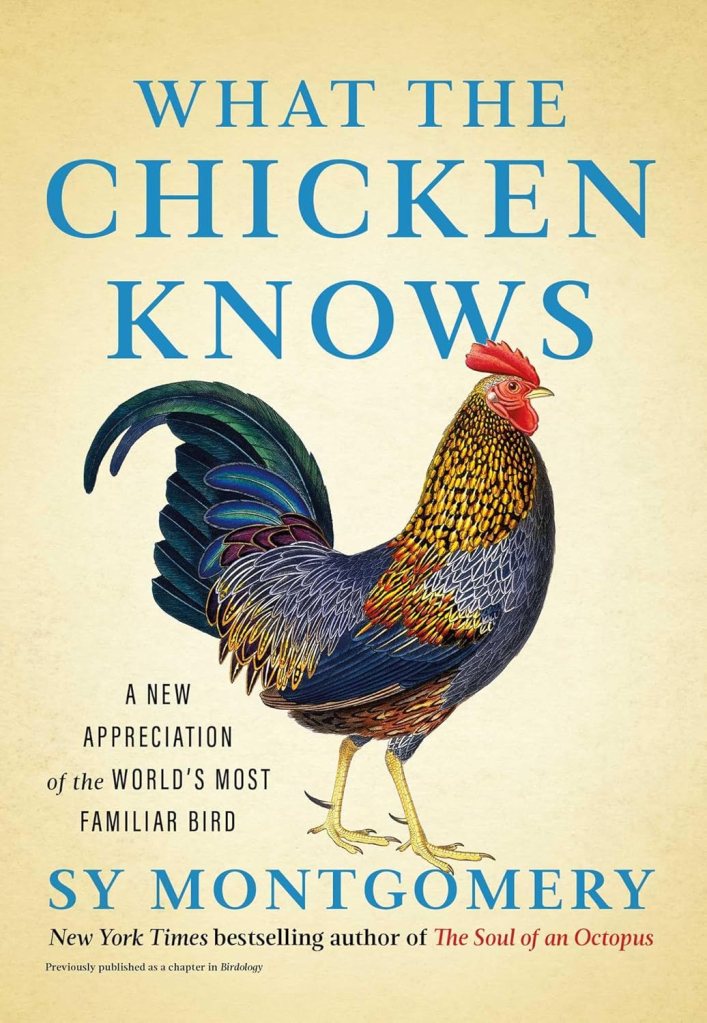
What the Chicken Knows by Sy Montgomery. Do you like chickens? Do you like nature, animals, or books about the natural world around us, especially its quirky, funny animal inhabitants and how well (or not) they manage to live with us? I loved this book so much. It’s super short (could be read in one sitting), very funny, and so well written. Great color photos, too. Caution: it may make you want (or at the very least, appreciate) chickens.
.
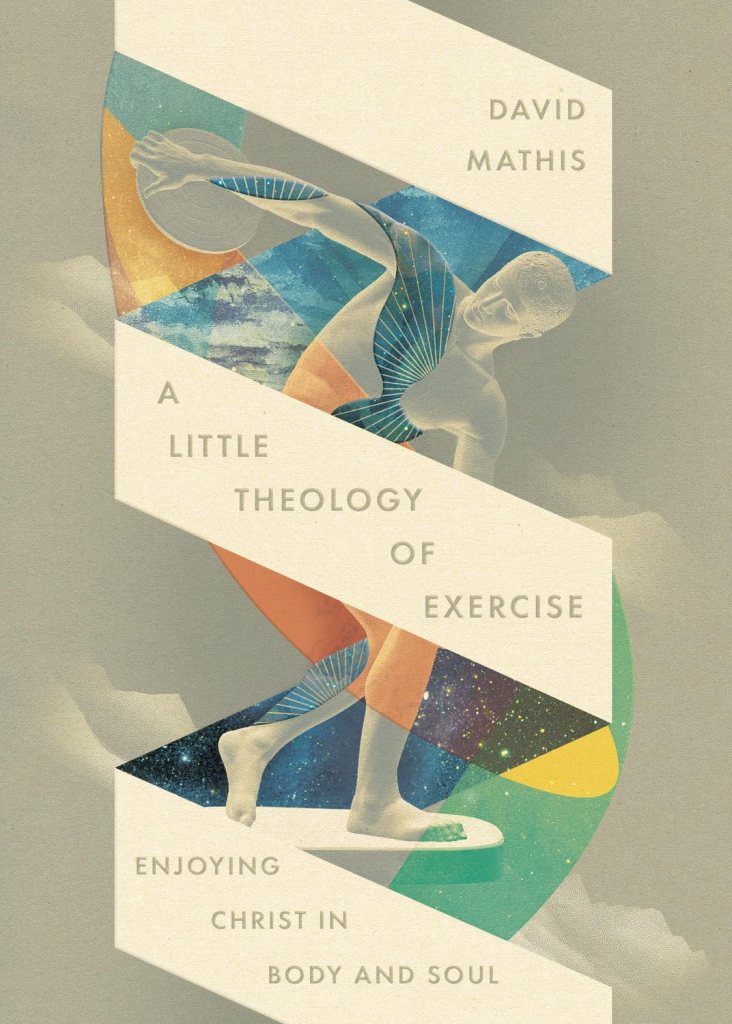
A Little Theology of Exercise: Enjoying Christ in Body and Soul by David Mathis. This 100-page book is not at all a “just get off the couch and move” kind of book. It’s actually about 1) why your body is important, in the Christian sense; and 2) what exerting your body does for your soul. It’s easy to read but in-depth and convicting, both for those who are currently active and those who aren’t.
.
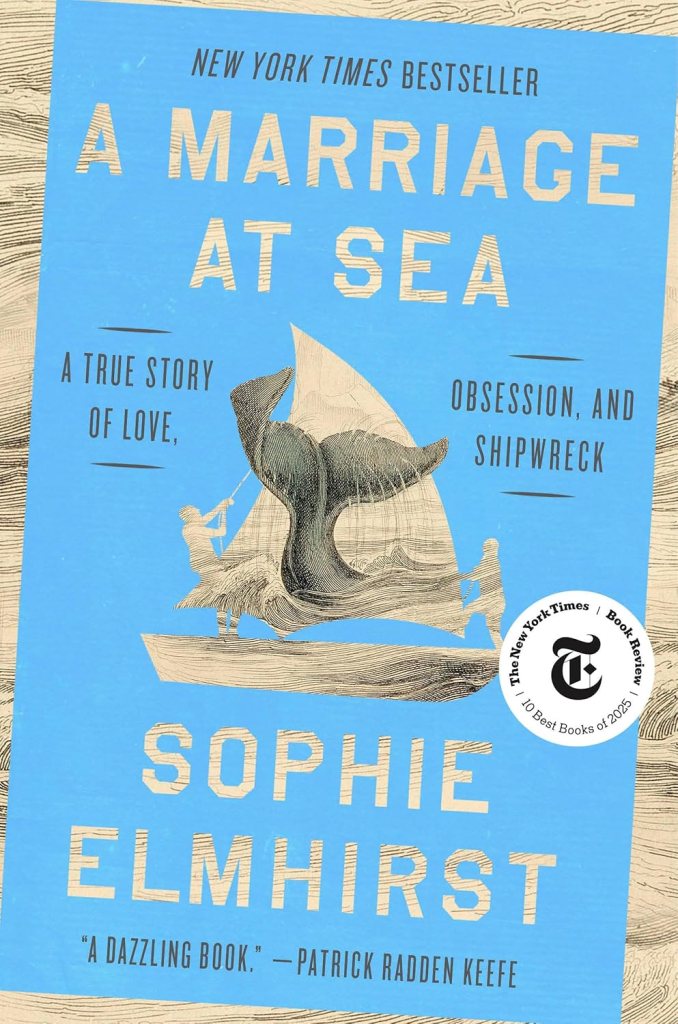
A Marriage at Sea: A True Story of Love, Obsession, and Shipwreck by Sophie Elmhirst. This fast-moving book is a true survival story as well as a story of neurodivergence and those who love neurodivergent people. The author doesn’t appear to fully understand the love story aspect of this book, but I think many readers will—I certainly did. Also interesting was how the press and media of 1973 handled the wife’s shipwreck experience (virtually ignoring it, at least at first), as if she wasn’t even there, when in fact she was probably the main reason that the two stayed alive. I’m a sucker for good hardship or survival stories, and this is a good one.
.
Honorable mentions, fiction:
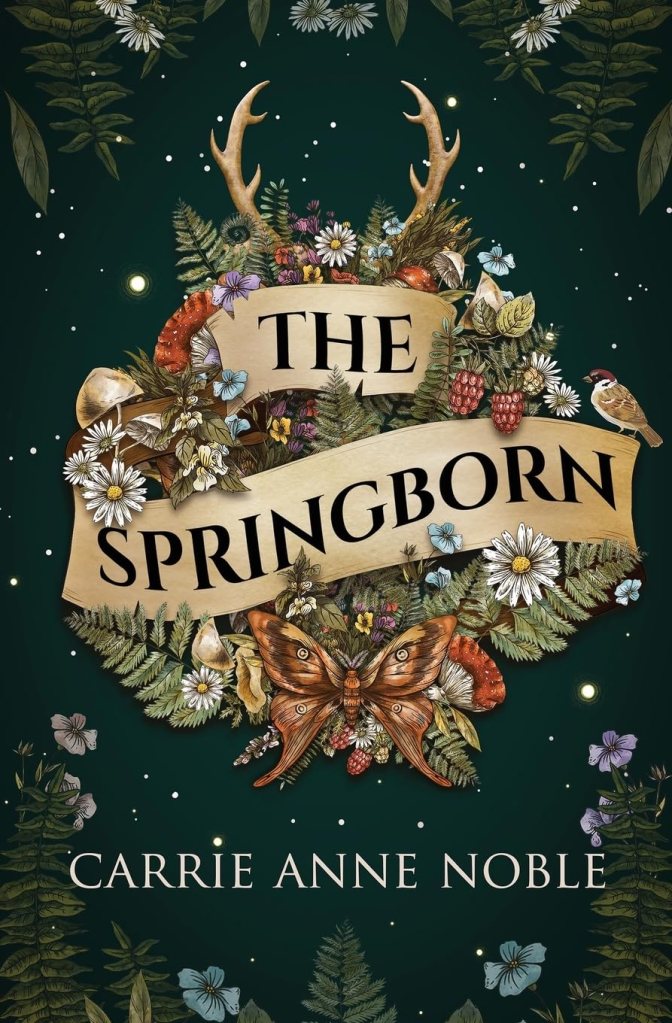
The Springborn by Carrie Anne Noble. Not my usual genre (I’ll call it young adult cozy fantasy romance), this was a sweet fairy tale type book. Perfect for teen girls or young women who don’t want the stuff that passes for “romance” in much of today’s fiction. It’s set in 1866, so it’s a little bit historical, too.
.
.
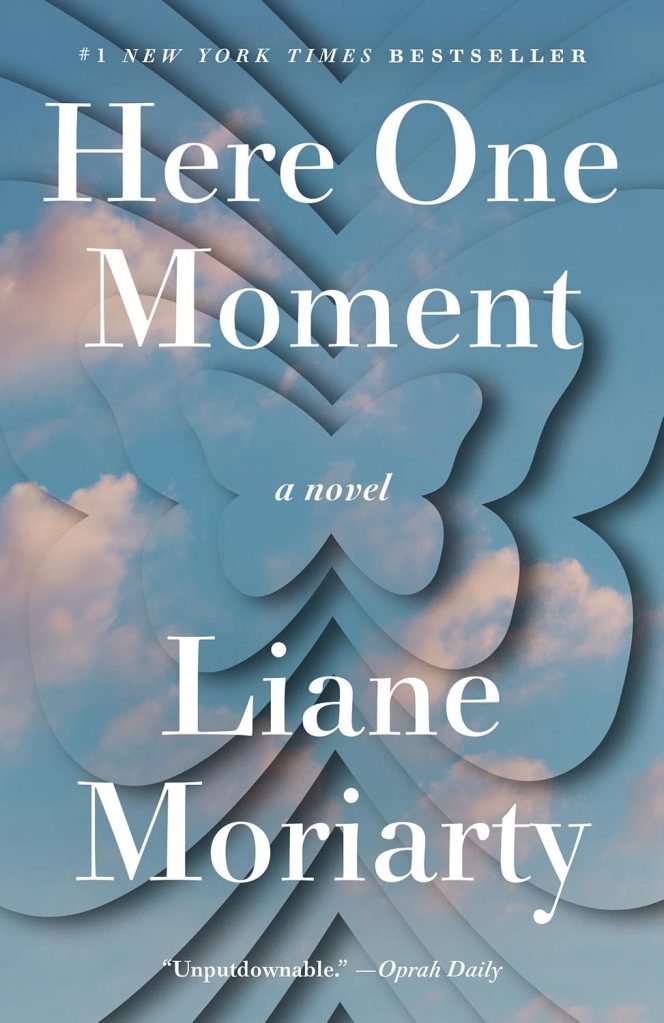
Here One Moment by Liane Moriarty. There’s a lot of contemporary fiction I simply give up on, but so far Liane Moriarty has never fallen into that category. Her books are entirely secular, but engrossing and un-putdownable. The back cover says that Here One Moment asks “profound questions” about “free will and destiny, grief and love, and the endless struggle to maintain certainty and control in an uncertain world.” Yes … and it also depicts how people with zero spiritual context do this, which is interesting to me in the hands of a good writer. (Moriarty has had me hooked ever since What Alice Forgot, which is still my favorite “beach read” novel ever.)
.
Honorable mentions, nonfiction:
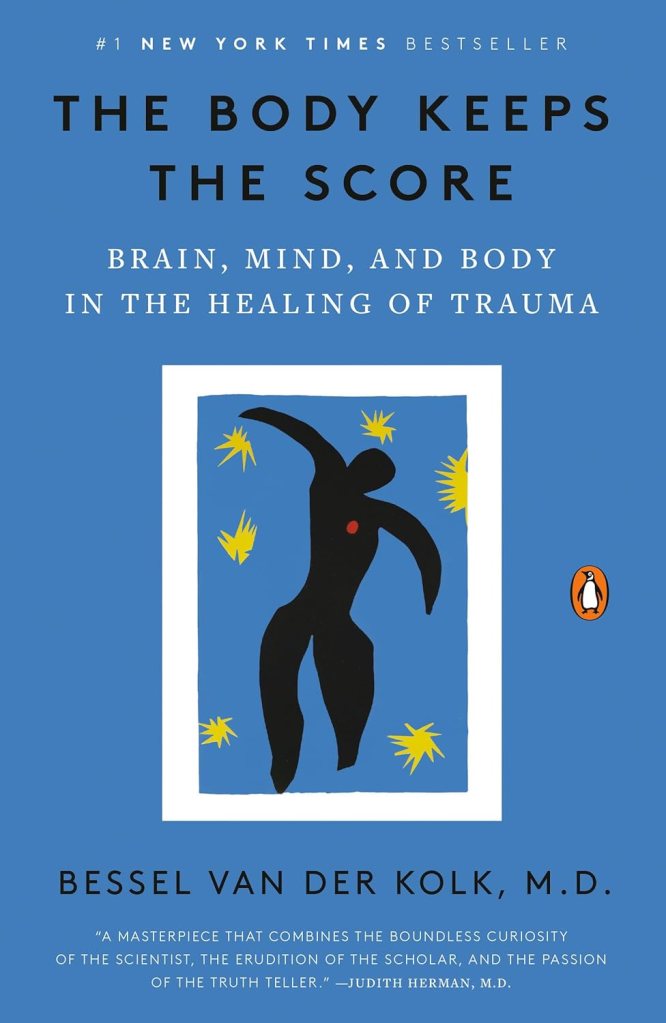
The Body Keeps the Score: Brain, Mind, and Body in the Healing of Trauma by Bessel van der Kolk, MD. Apparently there is some controversy surrounding this book. I’m not exactly sure why that is, because I enjoyed reading it (as much as you can “enjoy” a book on this topic). I was especially intrigued by the chapter on PBSP psychomotor therapy, which fills in the voids for people who felt unwanted and unsafe as children. Also the chapter on theatre as therapy was unique and insightful—but I have a theatre background so maybe that influenced my perception of it. I have no problem chewing the meat and spitting out the bones when I read, and that’s what I did with this book.
.
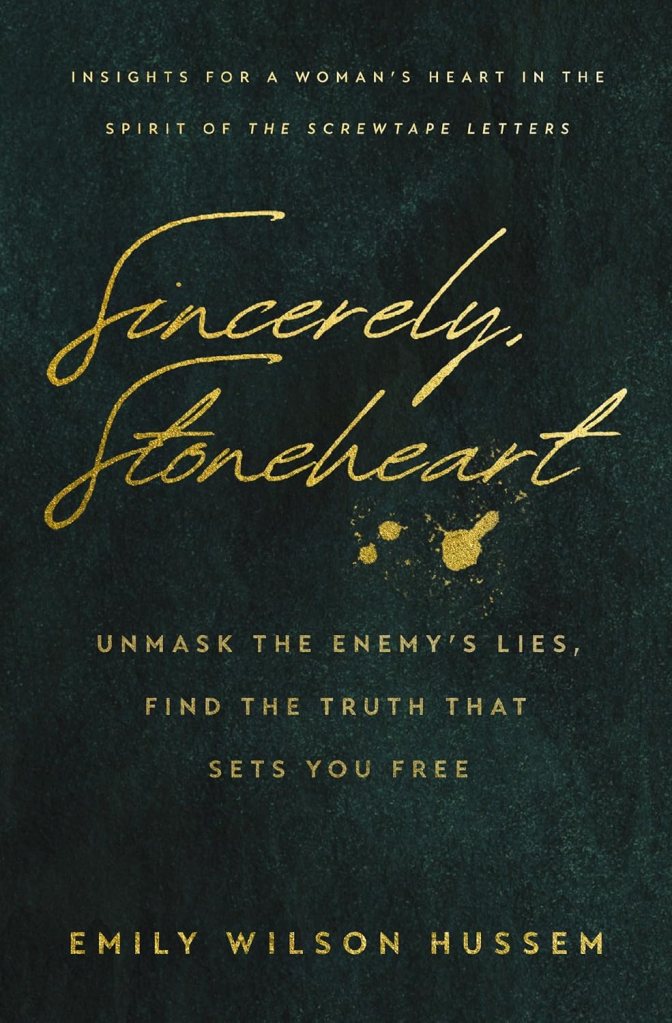
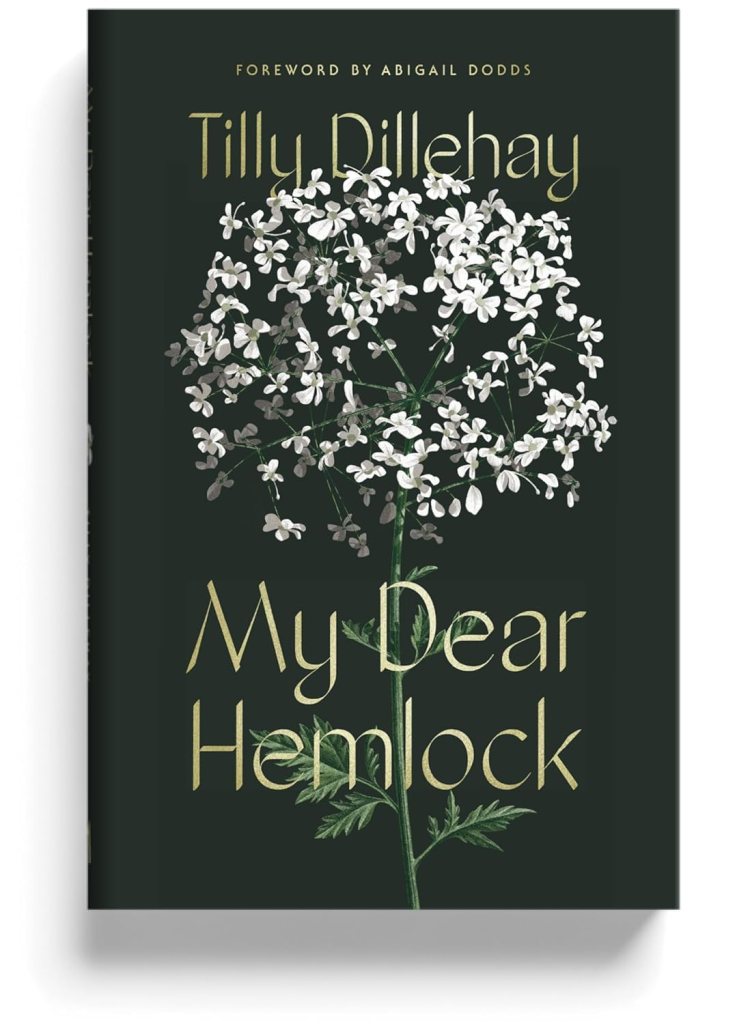
Sincerely, Stoneheart by Emily Wilson Hussem and My Dear Hemlock by Tilly Dillehay. Two books, published at nearly the same time, that could both be subtitled, “Screwtape for Women.” I wrote about their similarities and differences in this post.
.
.
.
Bonus book – a nonfiction favorite not actually read in 2025:
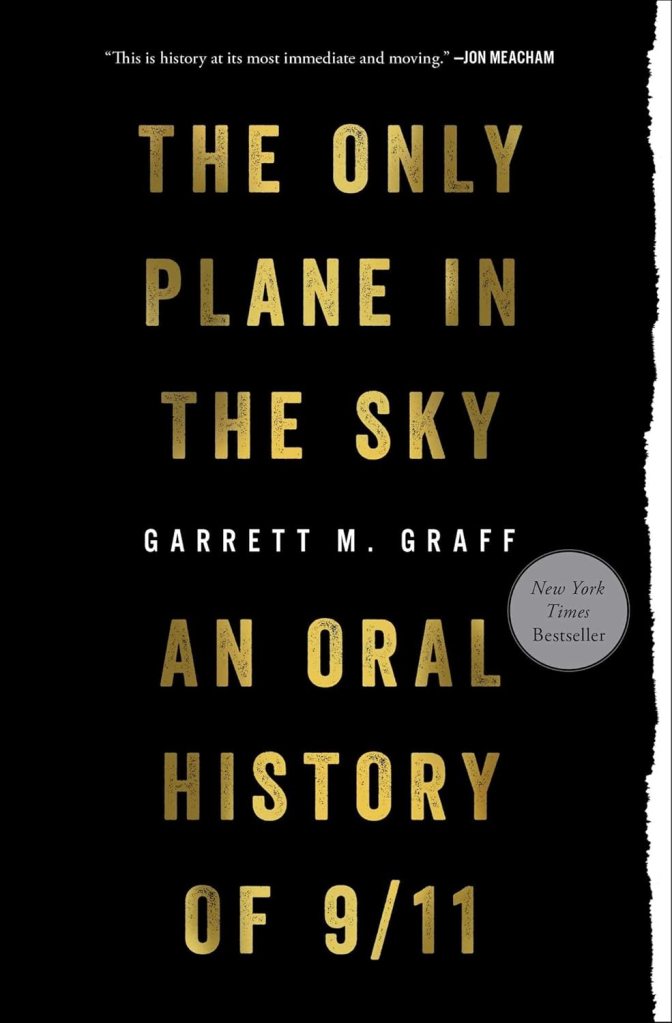
The Only Plane in the Sky: An Oral History of 9/11 by Garrett M. Graff. If you can handle this emotionally, this is the best thing I’ve ever read on 9/11. Actual interviews and transcripts in real time put you right in the center of everything that was happening on that historical day, both on the ground and in the air. An incredibly moving and emotionally difficult book, one that I’m very glad to have read.
.
For more bookish posts and previous year-end lists (not only reviews, but other reading and book-related things), check out my other articles under Reading.
For suggestions on daily devotionals, take a look at this updated post: Why Read Devotionals? My own devotional choice for 2026 is John MacArthur’s Strength for Today.
Happy New Year and happy reading in 2026!
As an Amazon Associate I earn from qualifying purchases, which I use to offset the costs of running this site.

 Great and Noble Tasks
I would highly suggest reading Lies My Therapist Told Me, which is a counter to The Body Keeps Score. Written by a Biblical Counselor, Dr Greg Gifford.
LikeLike
Thanks for this suggestion! I rarely read books about counseling or therapy, so this is an area that’s fairly new to me.
LikeLike