What is it about books written in epistolary format (a series of letters) that I love so much? Not all epistolary novels are good, of course, but when they are, they seem to find their place more quickly onto my list of favorite books.
Here’s what I love about them:
- They give you all of the advantages of a first-person narrator (personal insights and viewpoints in usually a more conversational or revealing tone)—but they are once-removed and multi-faceted. The narrator isn’t talking to you, the reader, but to someone else. The letters are sometimes to or from more than one person, as well.
- They require you to pay attention to details like dates, locations, means of correspondence, and who the letter is to/from in order to follow what’s going on, both in the plot of the book and sometimes from your knowledge of the real world at the time.
- They assume you can fill in the blanks. Depending on the author’s skill (and all of these books below have very skillful authors), you, the reader, will need to make inferences based on what is said, or not said, in the letters in order to connect the dots.
All of these features make epistolary books both challenging and hugely fun. I love that I have to notice several things about each letter (who wrote it? who is the recipient? what is the date, including the year? among other details) before I can fully place it into context. I love getting just the details that the letter-writer reveals, and needing to fill in the gaps myself, sometimes based on clues from other letters. I love the “fly on the wall” feeling of being a secret observer in the lives of the letter writers, watching the story develop and the characters change over time in such a personal way. I love how the act of letter writing reveals a great deal about character and plot in a brief and efficient manner.
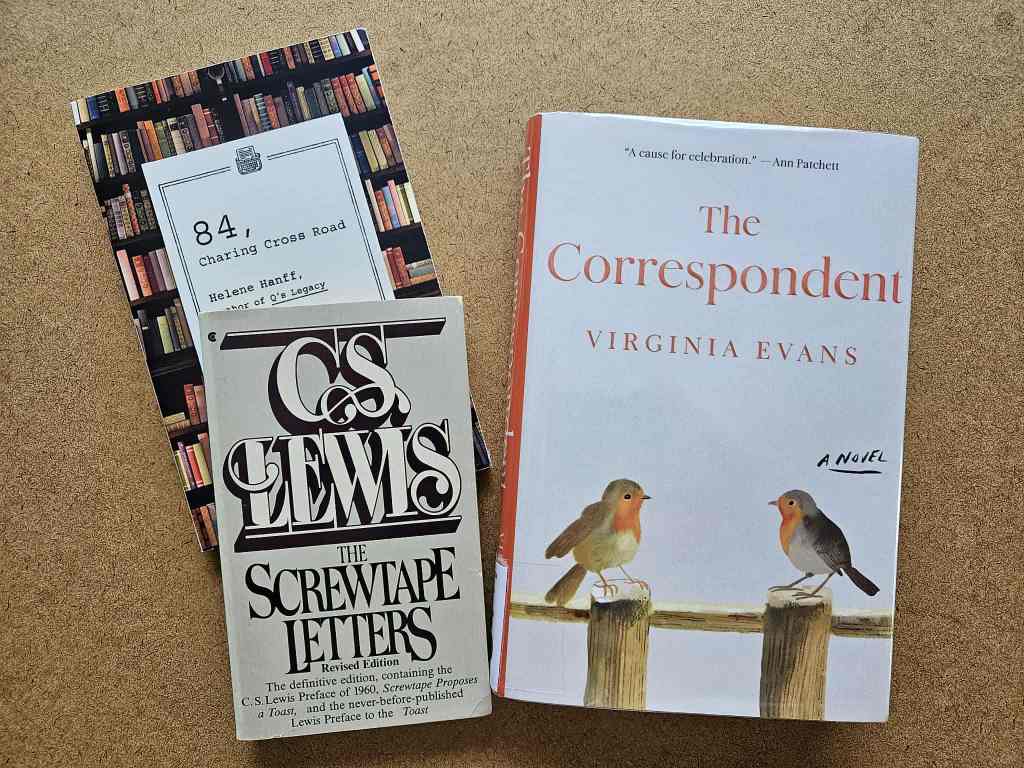
One recent book met all of these above features/benefits so thoroughly that I knew immediately I needed to tell all of my book-loving friends about it. The picture above shows a library copy of The Correspondent, but I’m going to buy a copy because I know I’ll read it again. It was that good.
My five favorite epistolary books, and one honorable mention:
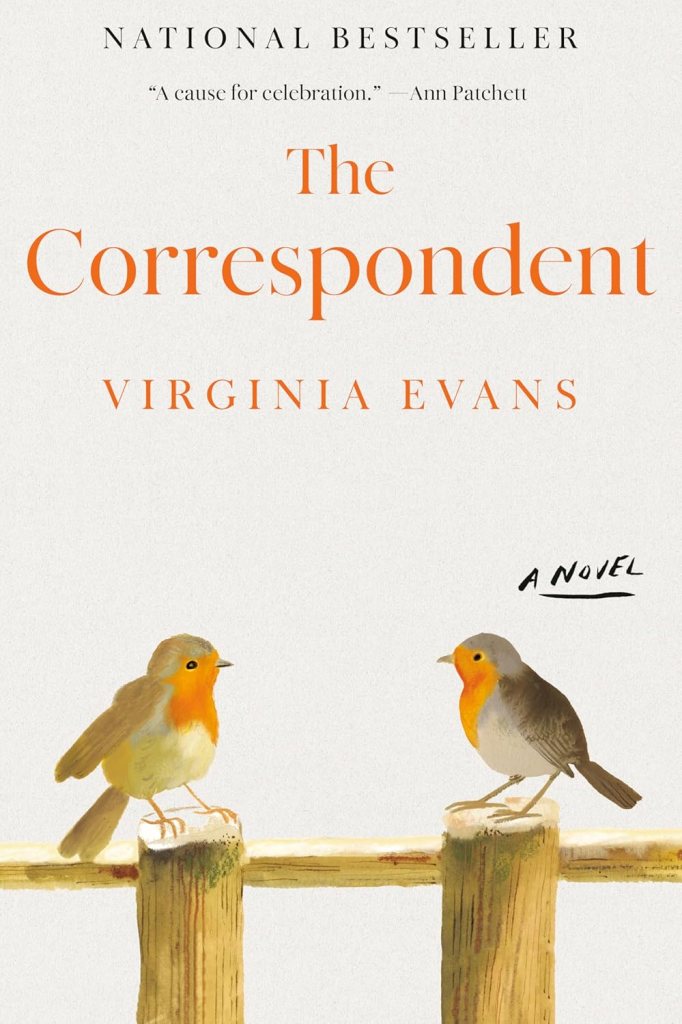
The Correspondent by Virginia Evans. Spanning the years 2012 to 2022, this debut novel is the story of Sybil Van Antwerp, a character you won’t soon forget. Over the course of Sybil’s long life, she writes many letters and receives many in return, but Evans ensures that the multiple characters and story lines are never confusing; instead they are slowly revealing a remarkable life, an astounding story, and a heart-wrenching look at love and loss, guilt and forgiveness, hubris and humility, humor and grief, and so much more. The characters are all so true to life, the story so compelling, and the writing so good that I couldn’t put it down.
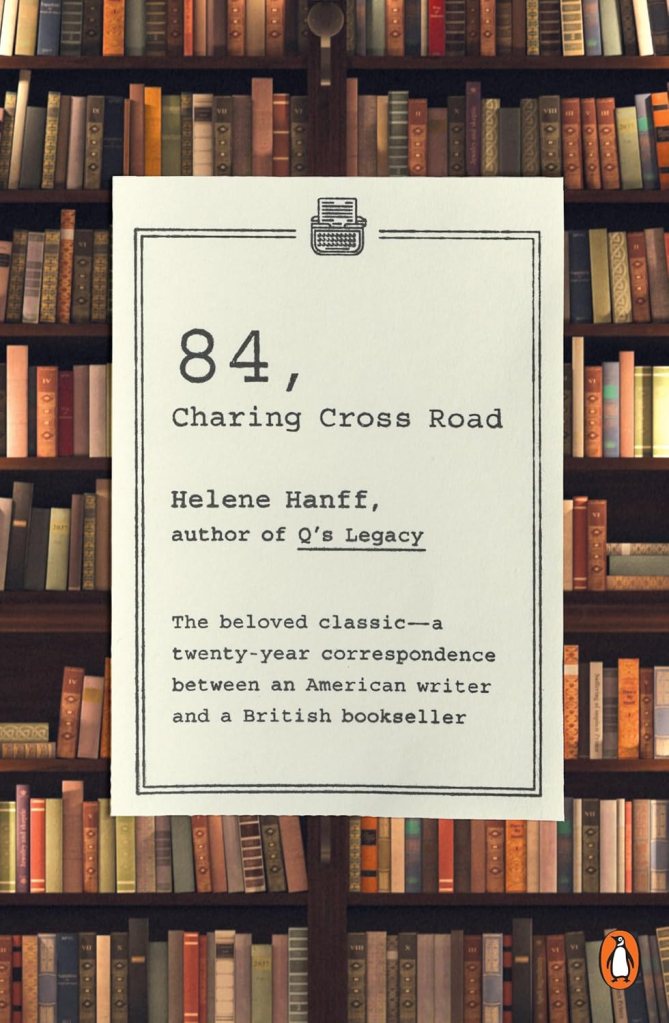
84, Charing Cross Road by Helen Hanff. The only nonfiction book on this list, it begins in 1949 and spans 20 years of correspondence between American writer Helen Hanff and a certain London bookshop. Hanff’s letters are often very funny, and her British bookshop friends are suitably restrained and … well, British. Hanff’s reading taste leans toward the classics and makes my reading preferences look like child’s play. But readers are readers, and I felt a kinship with her on every page. But this very short book isn’t only about reading. It’s also about deprivation and joy in post-war England, generosity and love between near-strangers, secondary characters that tug at your heartstrings, and poignant twists of fate that prevent an actual face-to-face meeting of people who have become dear to one another.
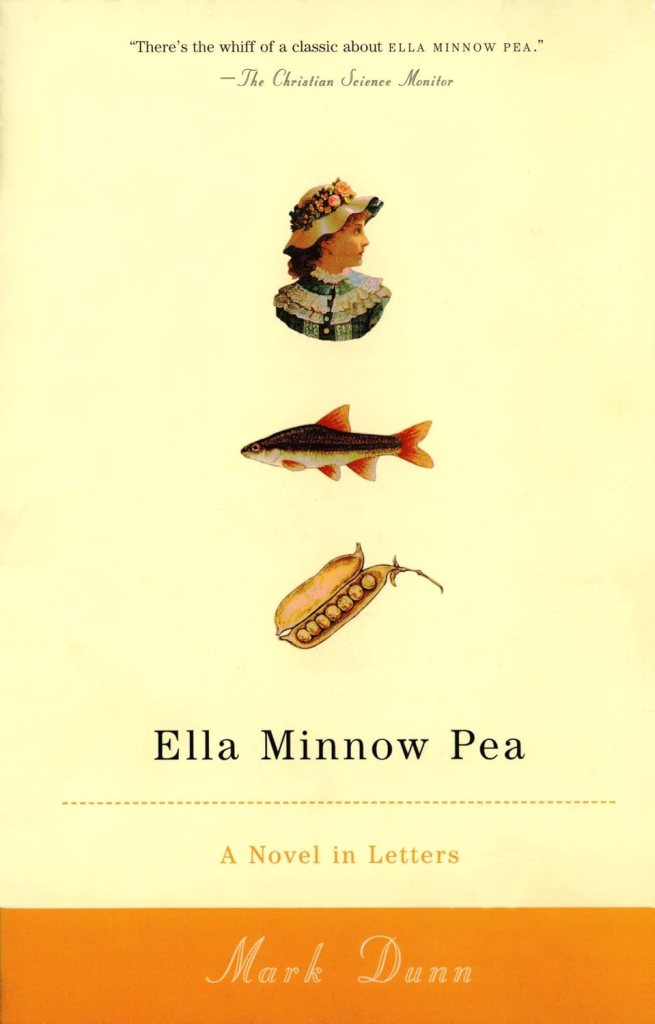
Ella Minnow Pea by Mark Dunn. Such an original, word-loving, alphabet-loving book! The premise: letters are falling, one by one, from a statue of the town’s hero (the man who invented the pangram “The quick brown fox jumps over the lazy dog”). As each letter falls, the town’s council superstitiously declares that that letter can no longer be used in any way, by any citizen, without dire consequences. And as letters continue to fall from the statue, they also disappear from the novel itself. It falls to Ella to save her town from linguistic disaster, and worse.
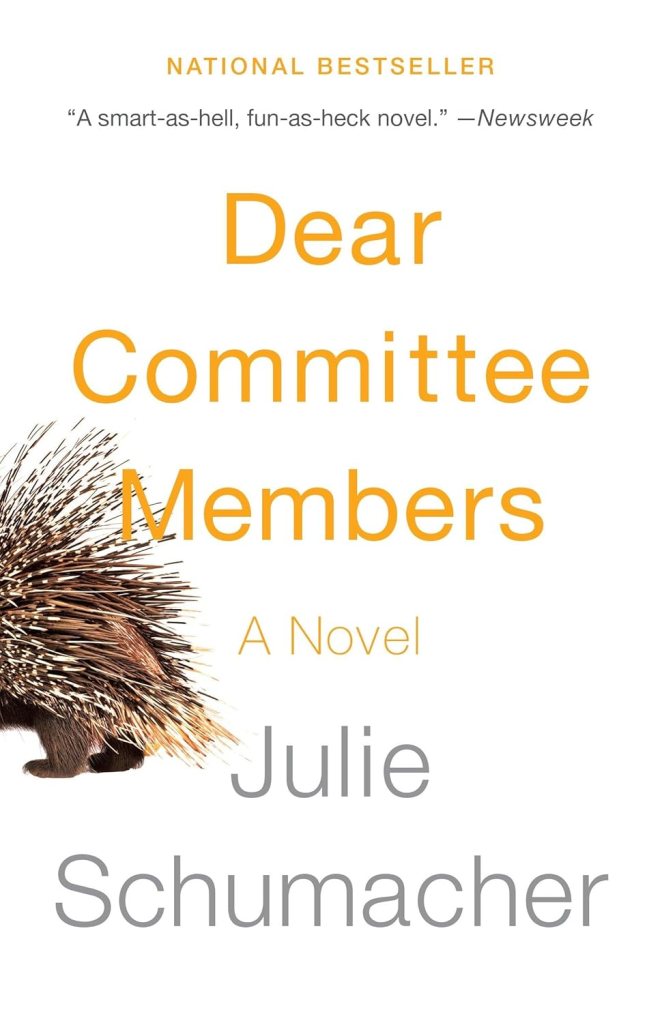
Dear Committee Members by Julie Schumacher. This novel made me laugh out loud many times. It’s a series of recommendation letters from a jaded English professor, and it’s funnier than that sounds. If you have a liberal arts degree or are in academia (or like me, escaped that possibility by the skin of your teeth), it’s especially funny. It does have some language, so if that bothers you, then skip this one.
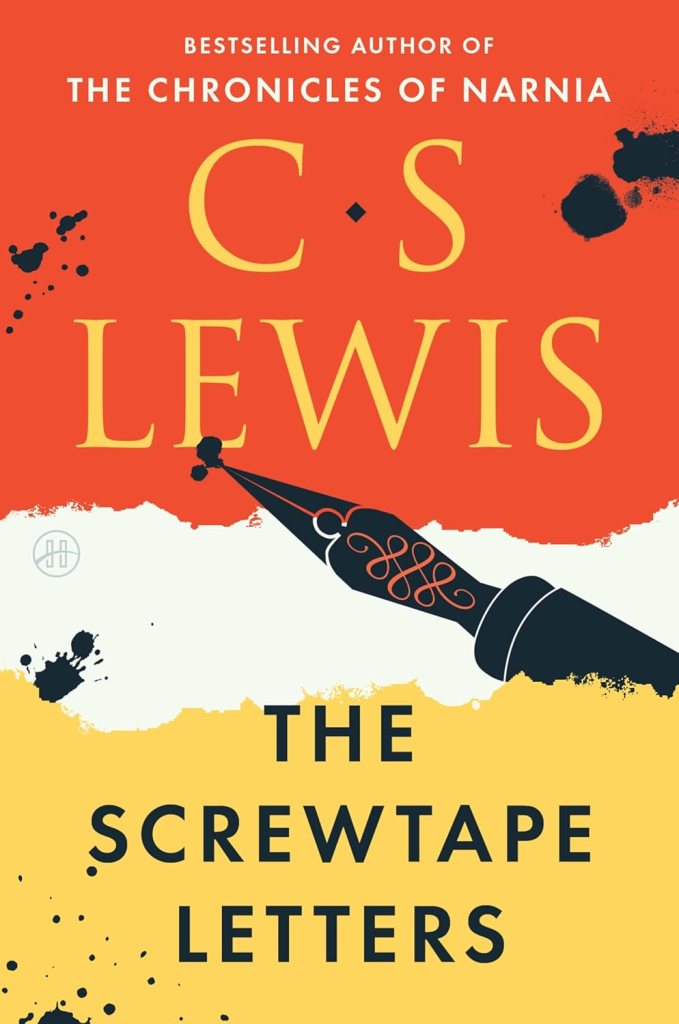
The Screwtape Letters by C. S. Lewis. How do you feel about satire? If you like it, and somehow have missed reading this 1942 classic, then here’s your reminder to give it a go. These letters are written from the point of view of a senior demon talking to a younger, inexperienced demon. The topic is a certain young man that they are trying to wrest away from “the Enemy” (God) and win to the side of “Our Father Below” (Satan). One of my favorite Sunday school memories is teaching this book to high schoolers—students who are just beginning to develop the more mature sense of humor they need to appreciate satire.
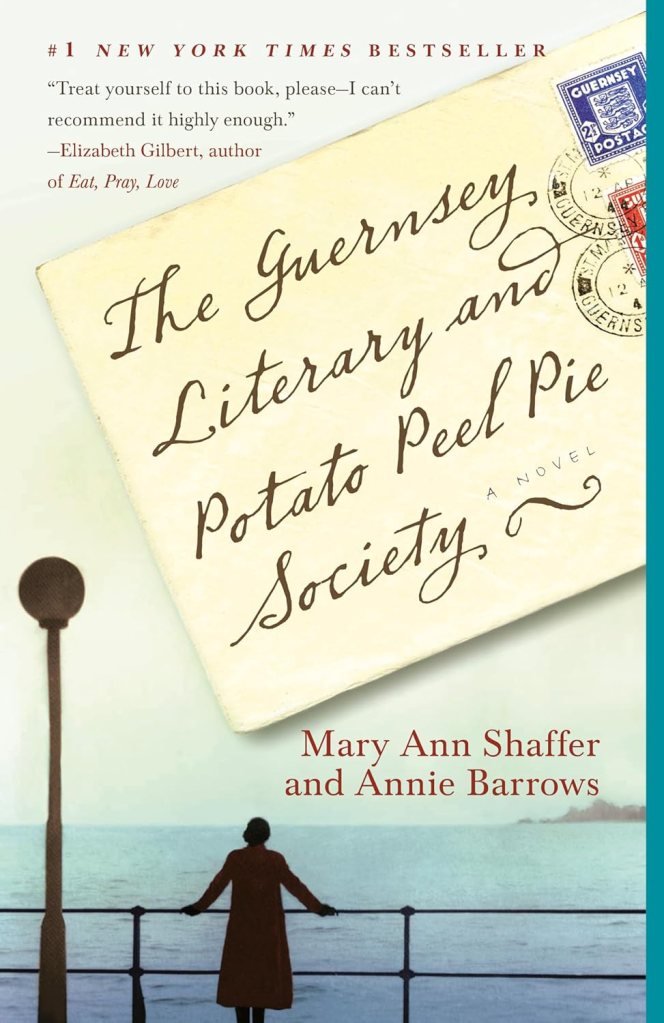
Honorable Mention:
The Guernsey Literary and Potato Peel Pie Society by Mary Ann Shaffer and Annie Barrows. I like this book—I don’t love it, but many, many readers do. It’s was a bestseller for a reason, so I don’t want to omit it here. It’s a sweet post-WWII story based on true events during the German occupation of the Channel Islands during the war. The main character is an author looking for the subject of her next book. Many readers have described this book as joyful, life-affirming, witty, ingenious, and deeply moving.
It occurs to me, now that I’m reviewing this list, how many of these epistolary books are related in some way to reading, literature, a love of books, and/or a love of language and words—all but Screwtape, actually. I suppose that people who appreciate letters, or who want to write in this genre, are more likely to love word-related and book-related things.
Dear Reader,
I hope you enjoy this list, and let me know if you have any other favorite epistolary books that I’ve missed here.
All the best,
Rebekah at Great and Noble Tasks
.
The links for qualifying purchases in this post earn me a small commission from Amazon, which I use to offset the costs of running this site.

 Great and Noble Tasks