
A few years ago, I went to a museum exhibit and did something I’ve never done before or since in an art museum: I stood in front of a painting and cried.
The exhibit featured the paintings of 19th-century French artist Jean-François Millet, but it also included paintings by artists who were influenced by Millet—the most famous being Vincent van Gogh. I saw dozens of beautiful and amazing paintings that day, but the one that brought me to tears was this one:
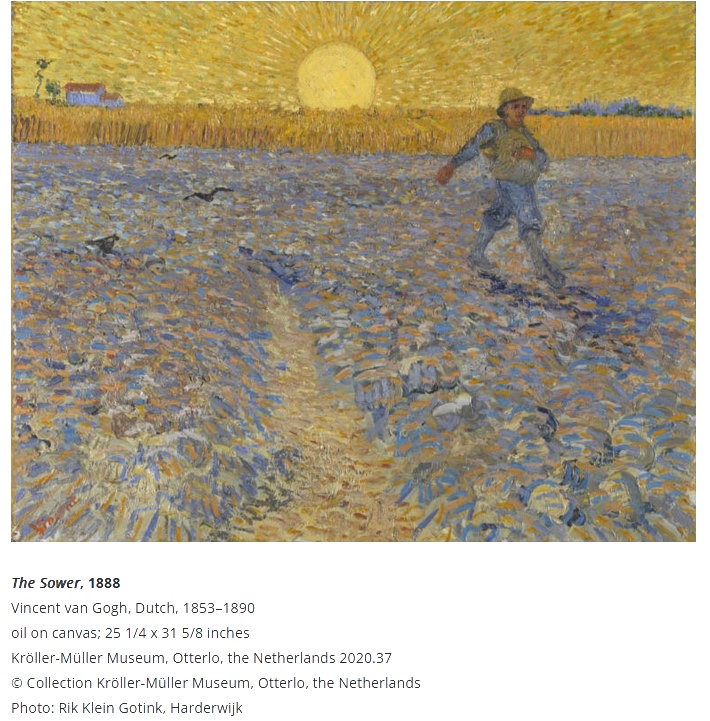
Now, writing about this painting doesn’t make me cry. Seeing it in a book or on a screen doesn’t, either. But seeing it in person—right in front of it, as van Gogh himself would have been standing—was a transcendent experience for me. I was overcome by a feeling I can’t even put into words. I left the painting behind and viewed the rest of the exhibit, but that brilliant canvas, almost glittering with thick strokes of sunshine-bright paint, is in my memory and in my heart. It’s mine, and it lives with me. No one can take it away.
Maybe you’ve experienced feelings like these when viewing art, either the strong emotional response or the feeling that the art is yours now. Or maybe those feelings are yet to come in your experience. But if you’re at all interested in art, or if you want to learn more—especially how art intersects with our Christian faith—then there are two books that, if you haven’t read them already, you may likely want to own.

Russ Ramsey’s Rembrandt Is in the Wind: Learning to Love Art Through the Eyes of Faith (2022, Zondervan) is a fairly short, beautiful book covering different concepts that can be discussed through the lens of both art and faith. Concepts such as the hunger for glory, the hope of redemption, the mystery of creation, the nature of contentment, the longing for connection, and more. Each stand-alone chapter covers a different artist, some you will know and some you might not. The book is illustrated throughout in black and white, along with a full-color insert of many of the paintings that are discussed. Ramsey helps us see how each of these stories “raise important questions about humanity’s hunger and capacity for glory, and all of them teach us to see and love beauty.” On top of that, three practical appendices teach How to Visit an Art Museum, How to Look at a Work of Art, and more. (And “in the wind,” from the title, is another way of saying that a certain Rembrandt painting was stolen, and is still missing.)

The second, accompanying volume continues the theme of beauty, but here Ramsey takes it in another direction: “We live in a world alive with beauty, but it is filled with suffering, too. Some of the beauty is hidden in the pain we come to know in this life.” Of these two books, I liked Van Gogh Has a Broken Heart: What Art Teaches Us About the Wonder and Struggle of Being Alive (2024) even better than the first, probably because it’s more personal and poignant. In this book, Ramsey again devotes one chapter to a particular artist or painting in order to make a point regarding faith and the human experience. Concepts include the desire to possess more than life can give, the power of suffering, the sacred work of stewarding another’s pain, learning to see as the world grows dim, and more. The final chapter, “Our Personal Collections,” is one of the best chapters I’ve ever read and is a perfect, heart-wrenching conclusion to these two books. The helpful appendices here include how to think and what to do about art or artists that you simply don’t like, and the meanings of common symbols in art.
Both volumes are beautiful. The publisher did the right thing and produced matching, high-quality books that look lovely together and feel good to hold. The art reproductions are excellent, if a bit small.
Russ Ramsey is a pastor and writer who loves and understands art—and wants to help us do the same. In these books he connects the dots between art, our human condition, and faith in our Creator and Savior. If you already love art, or want to love it more, these books are for you.
.
Two additional van Gogh recommendations:
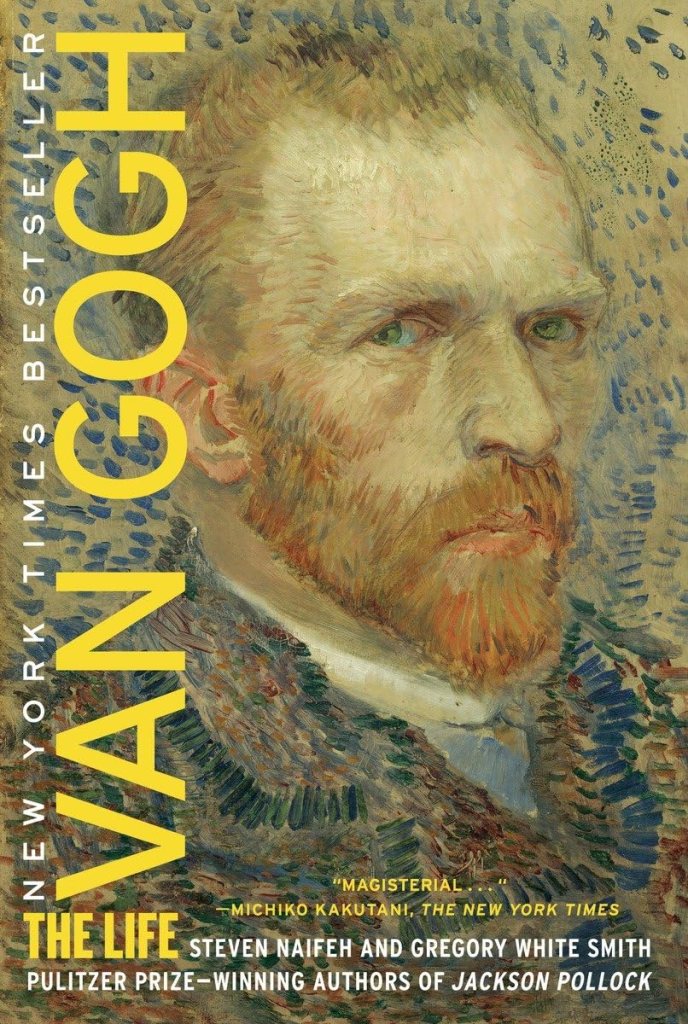
Vincent van Gogh is probably my favorite artist, and this excellent biography is the one that I first saw at the exhibit I mentioned above: Van Gogh: The Life, by Steven Naifeh and Gregory White Smith (2012). It’s very long, but worth reading if you’re interested in van Gogh’s life.
.
.

The other van Gogh book I’ve always wanted to read (and hope to get to soon) is the classic Lust for Life, by Irving Stone (1934). This bestselling biographical novel was also the basis for a movie, starring Kirk Douglas as Vincent.
.
.
As an Amazon Associate I earn from qualifying purchases, which I use to offset the costs of running this site.

 Great and Noble Tasks